We were unhappy. So we built the photo finish system we wanted to use.
For thirty years we ran photo finish at real race days — and fixing what didn’t work was always our trade. The system we actually wanted never existed, so we did what we’ve always done: we built it. Reliable first, honest about its price, designed for the day something goes wrong.
Two horses. One line. No doubt.
Real finish strips from real race days, at the track where we work every week.
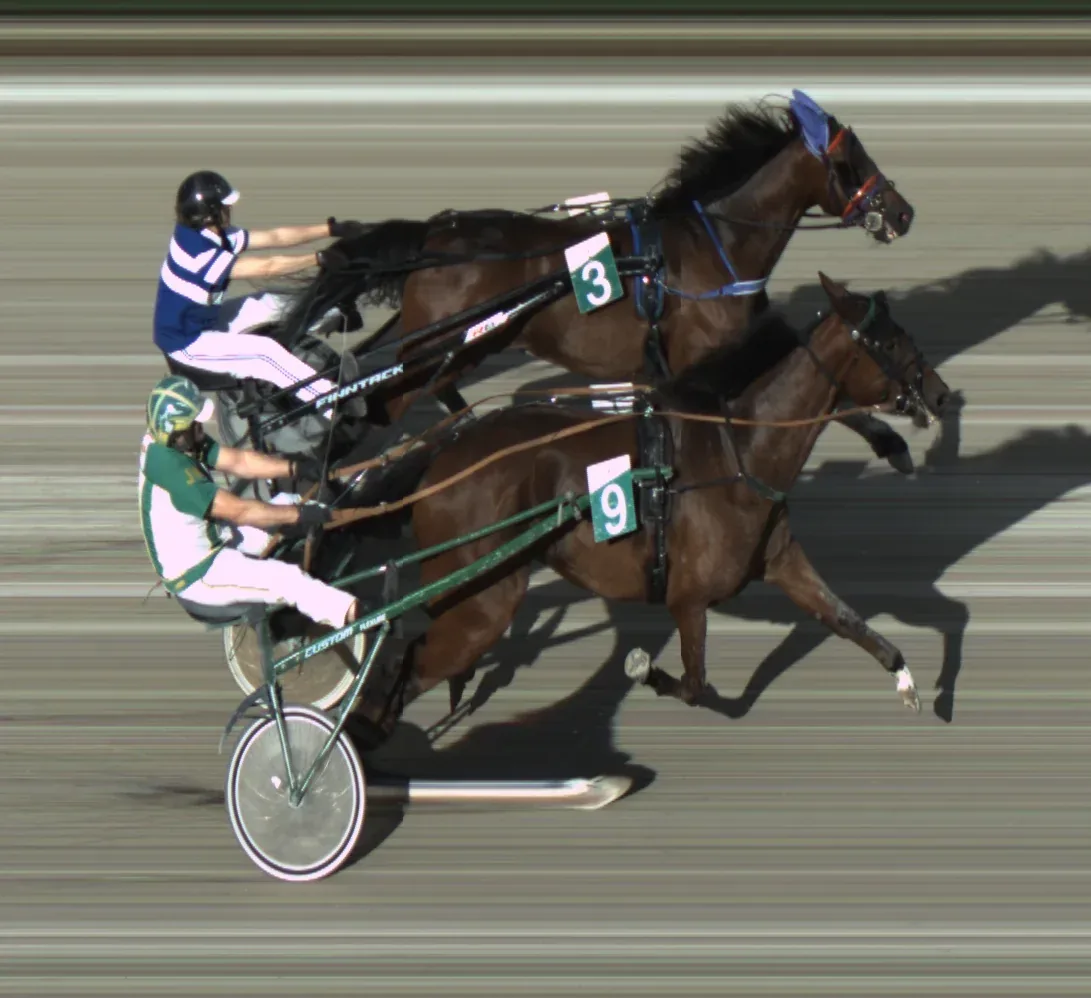
The finish line is never a small thing.
Millions in betting revenue can hang on one result. Sometimes a whole nation is watching — sometimes the whole world. Athletes have trained for years for the moment they cross that line.
And it matters when you tell your grandchildren that you won the school championship when you were twelve.
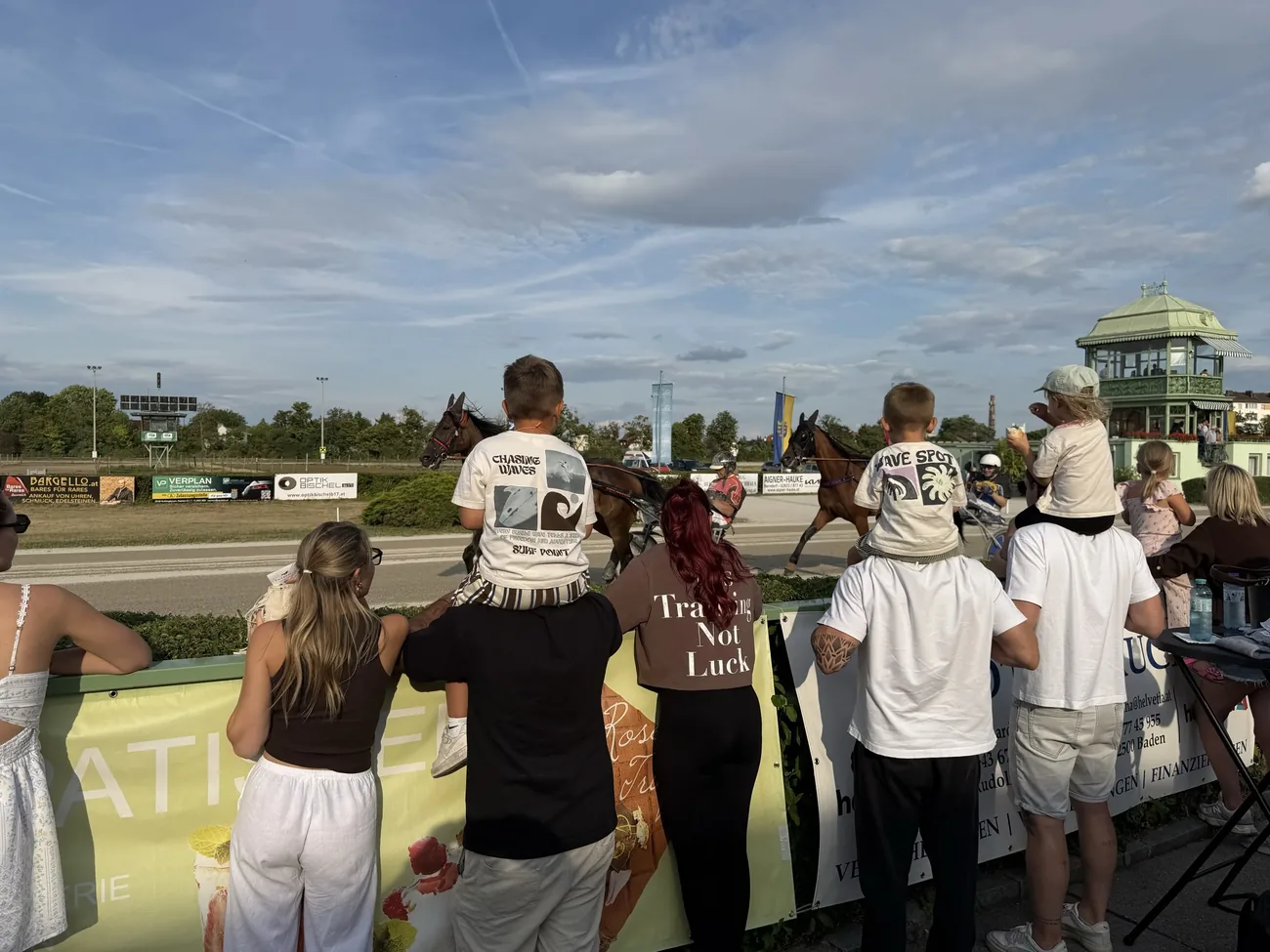
Every one of those finishes deserves the same thing: a result that holds. For that, you need a professional system that does not fail — and a plan for the day when something fails anyway.
That second half of the sentence is the part we built this company on.
We know what goes wrong, because it went wrong for us.
This camera was built on thirty years in the timing business — and on decades of building complex video production studios, IT networks, and software. But the real education was the race days themselves.
We made mistakes out there. Some we could fix. Some we couldn’t — and then we sat with the video backup recording, guessing who had won a race. Anyone who has run thousands of races and claims otherwise is not telling you the whole story.
After enough race days, the pattern was clear: a missed race. A wrong setup. A new operator. A picture too dark to defend. No backup recording, no proper dashboard, no real approval workflow. We didn’t want to work like that anymore.

So we did what any professional would do: we decided to spend serious money — as much as a decent small car costs — on a state-of-the-art system from the established brands. And what they offered for that money did not convince us.
That’s the whole founding story. We built the system we couldn’t buy.
Reliability first. Everything else second.
RAW-first evidence
The image that decides the race is kept as the sensor recorded it. If a rushed morning produces a dark image, RAW review can still save the result — it has saved ours.
Backup recording — in the camera itself
The camera keeps its own independent recording. Even an unplugged laptop cable can’t stop it — because after thousands of races, we don’t trust perfect days. A missed button should never mean a missed finish.
The scan speed you actually need
5,000 lines per second — matched to how fast real races cross a real line, not to a brochure duel. Line rate is a gear, not a score.
A price you can justify
We know the pain of keeping an old, bad system for years because a replacement costing as much as a car can never be justified to any board. So we didn’t price it like a car.
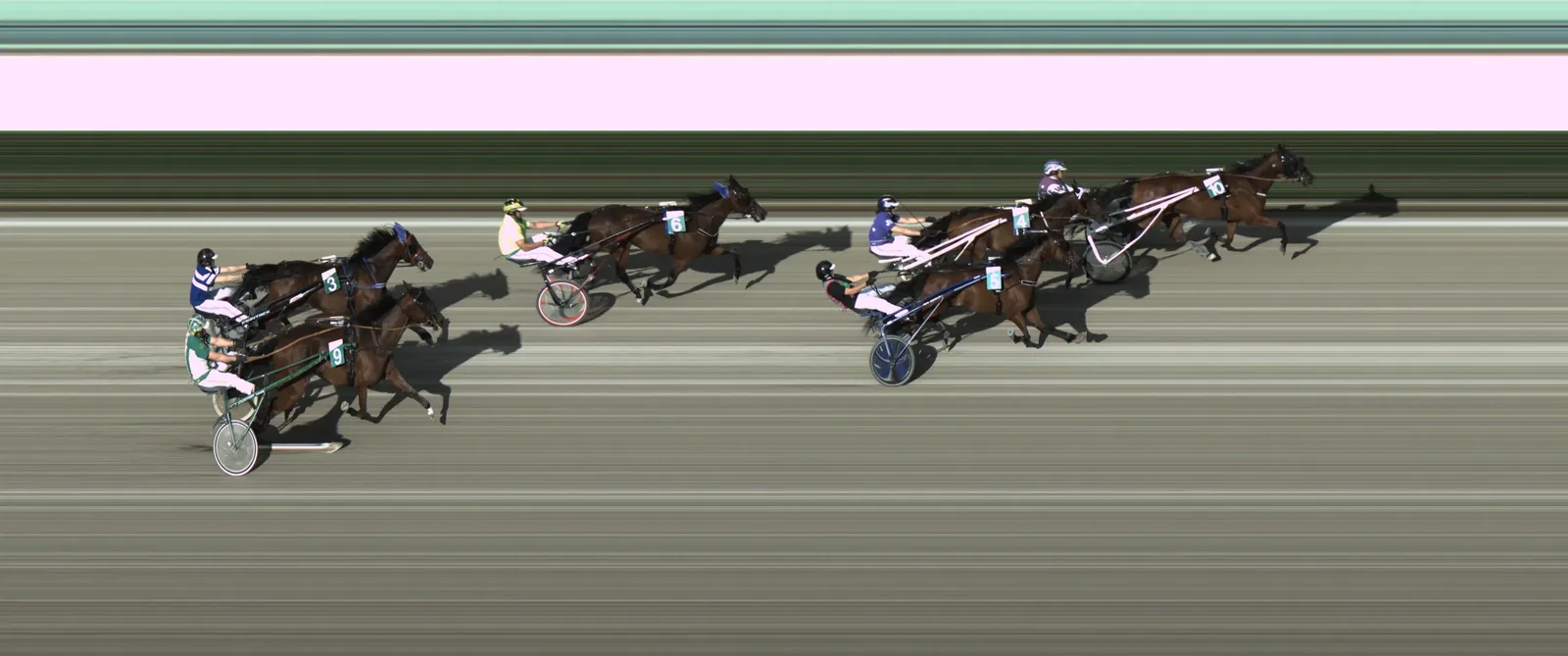
Two horses. One line. No doubt.
Real finish strips from real race days, at the track where we work every week. Zoom in — this is the image your judges would see.
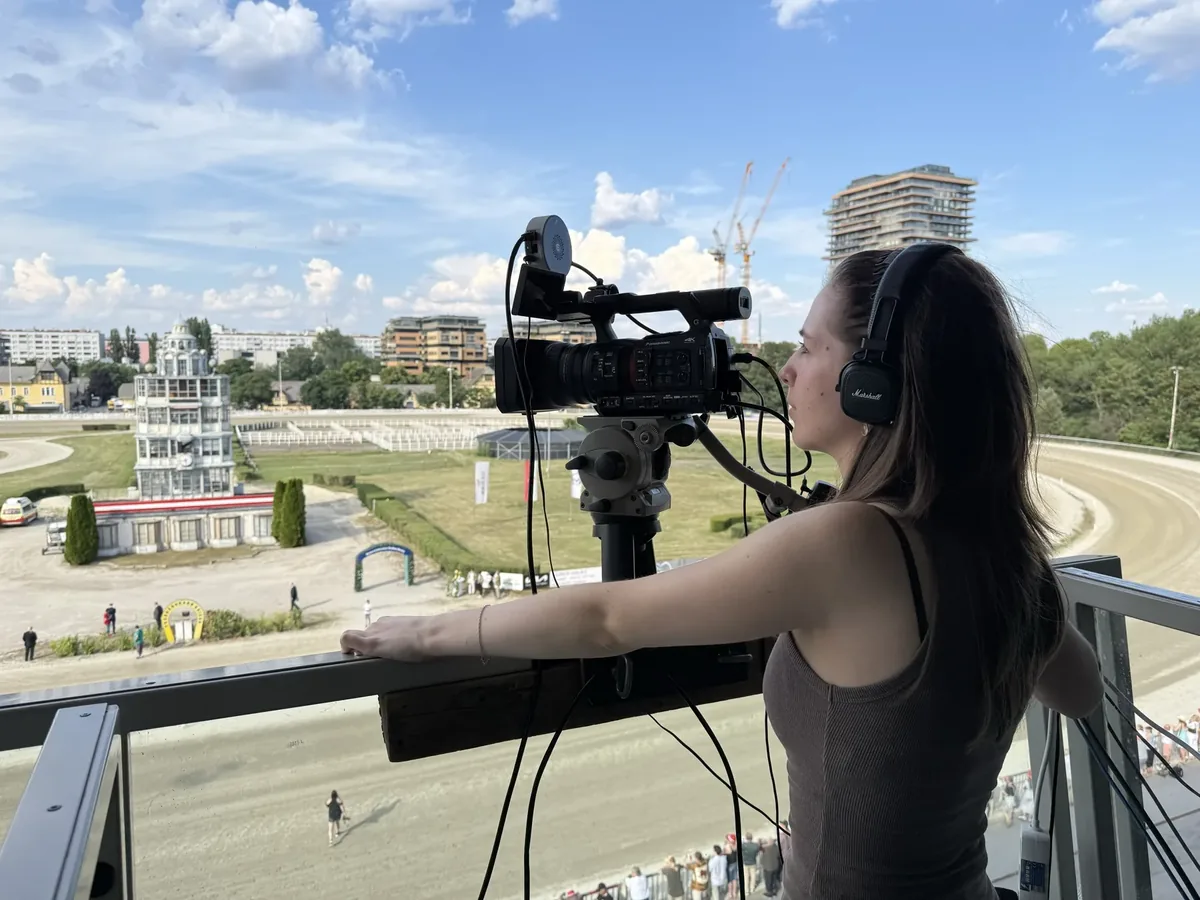
Compare the choices that shape race day.
We spent thirty years buying timing systems, so we wrote the buyer’s guide we never got. Here are five of the questions that matter — the full matrix asks 22, with sources.
| The question | Lion Timing | Established systems, typically |
|---|---|---|
| reviews start from the sensor’s original data, not a processed JPEG | ✓ | ✗ |
| a missed button never means a missed finish | ✓ | ✗ |
| no separate timing box required to operate | ✓ | ✗ |
| nothing unfinished reaches the public screen | ✓ | ✗ |
| the number is on the website, not behind a sales call | ✓ | ✗ |
Every cell in the full matrix is sourced — including the ones where we lose.
EUR 5,990. On the website. On purpose.
Camera, software, essential workflow, onboarding. No quote theater, no “call us.” The price rises to EUR 7,990 when the founding batch is gone — early customers keep the early price.
The three questions everyone asks first.
Why is the price so low?
Because we were the buyers for thirty years, and we know what this equipment actually costs to build. There’s no quote theater in our number — it’s on the website, and it’s the same for everyone. What’s included and what’s quoted separately is public too.
Pricing →Isn’t a higher line rate better?
No — line rate is a matching number, not a quality score. At 5,000 lines per second, a racehorse is captured about every 3.6 millimetres, far finer than any finish decision requires. Higher rates exist for motorsport speeds, and they cost light — the scarcest resource on a real race day.
What does RAW recording do for me?
It keeps the sensor’s original measurements instead of only a processed image. A too-dark picture from a rushed setup can still be recovered; a protested result is answered with source data, not an interpretation. You can always make a JPEG from RAW — never the reverse.
Academy: RAW explained →The environment changes. The need for trusted evidence does not.
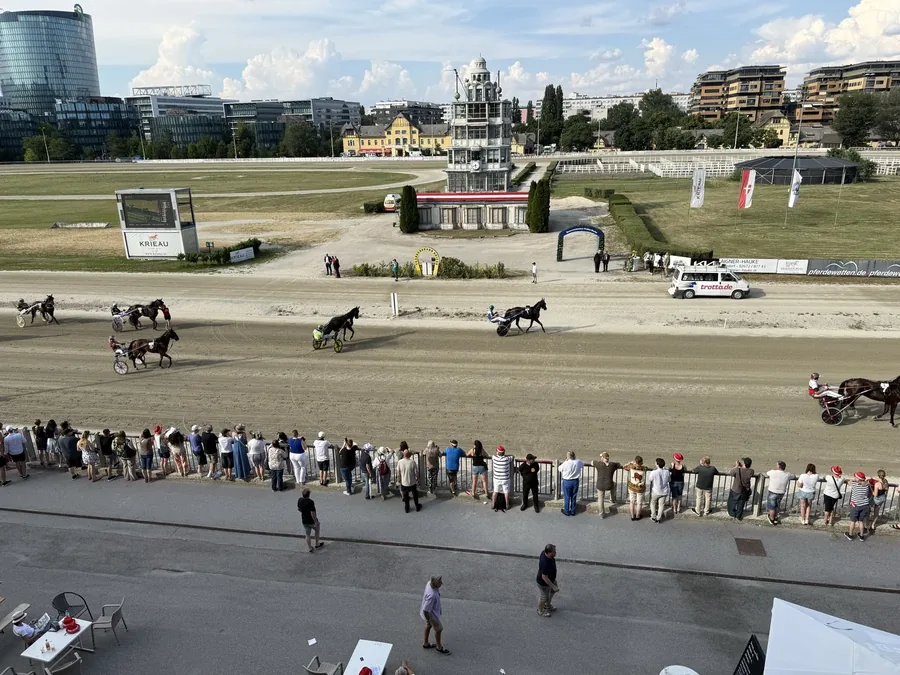 Horse tracks
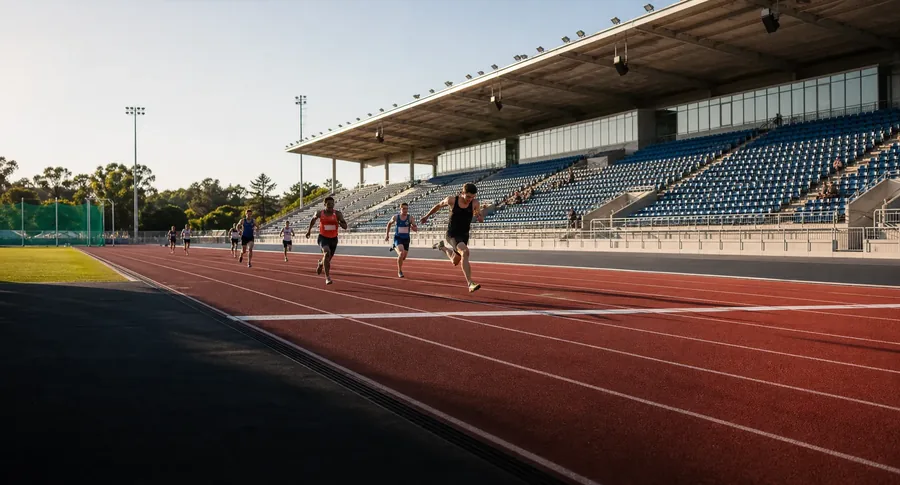 Athletics tracks
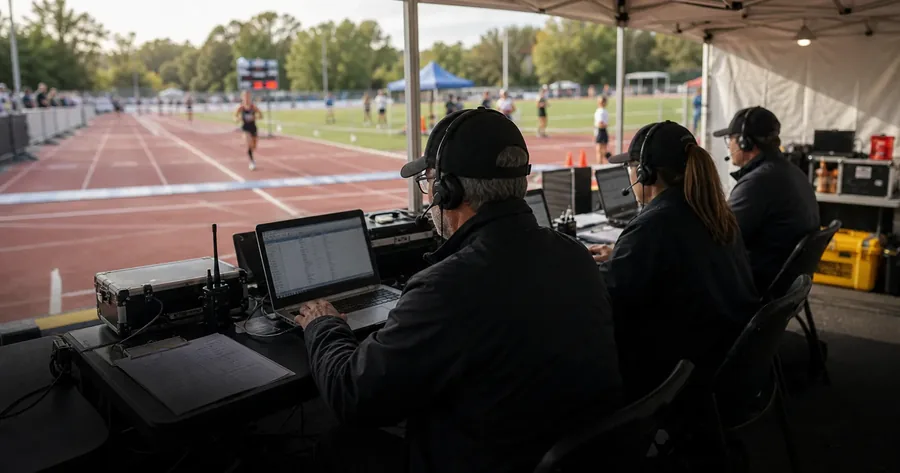 Timing teams
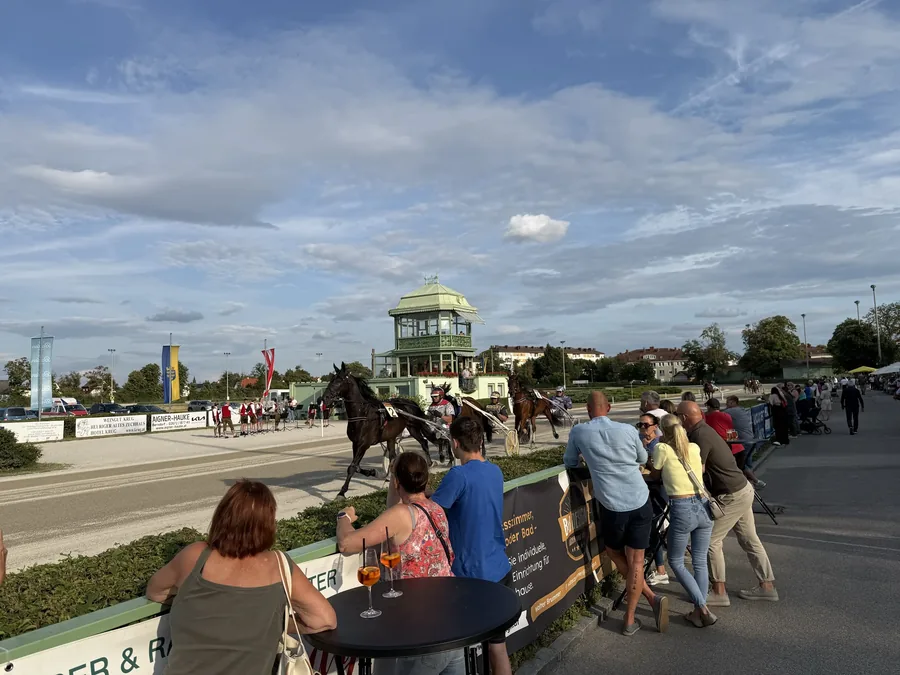 Venues
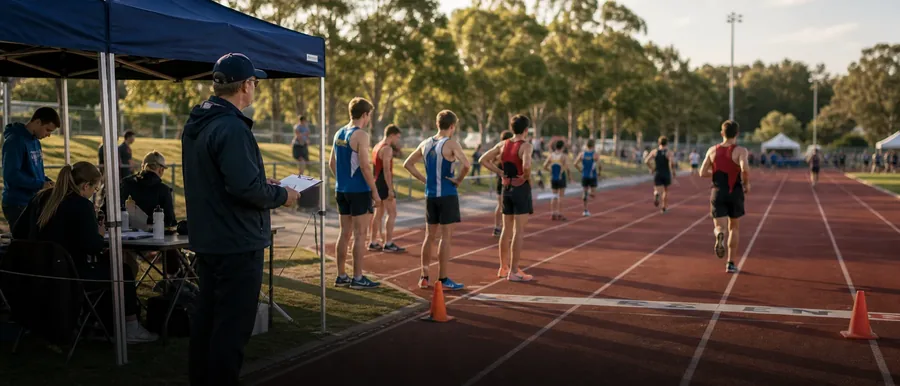 Clubs
Clubs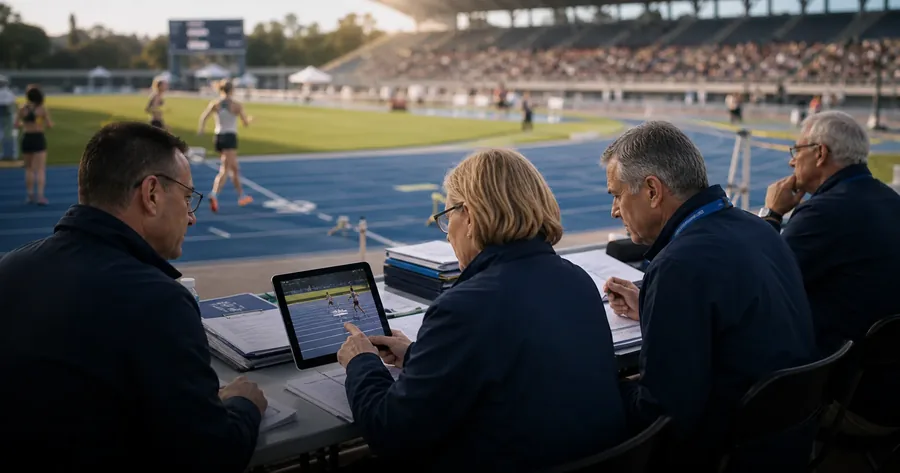 Federations
Show us your finish line.
We’ll show you the system.
Twenty minutes with the people who built it — and who called real finishes this week. Live capture, the dashboard, the approval flow, a real strip from a recent race day. Bring your hardest question and your closest finish.