
Prepare the line
Check venue fit, camera position, light, timing connections, and who owns each part of the workflow.
Race-day flow
The pressure is rarely only the camera. The commentator wants visibility, officials need approval, the operator needs context, and the team needs a backup path.
Check venue fit, camera position, light, timing connections, and who owns each part of the workflow.
The operator needs more than one isolated number; capture should sit inside the wider race-day situation.
Inspect the image, adjust the review view, and understand the close finish before the result moves forward.
The decision itself is not always the slow part. Lion Timing is built to reduce friction after the finish image is reviewed.
Backup and RAW-first review direction give the team more options when light, setup, or event pressure is imperfect.
Where the system helps
Race days push for speed, but nobody accepts mistakes. The workflow keeps the operating tension visible.
Real race day
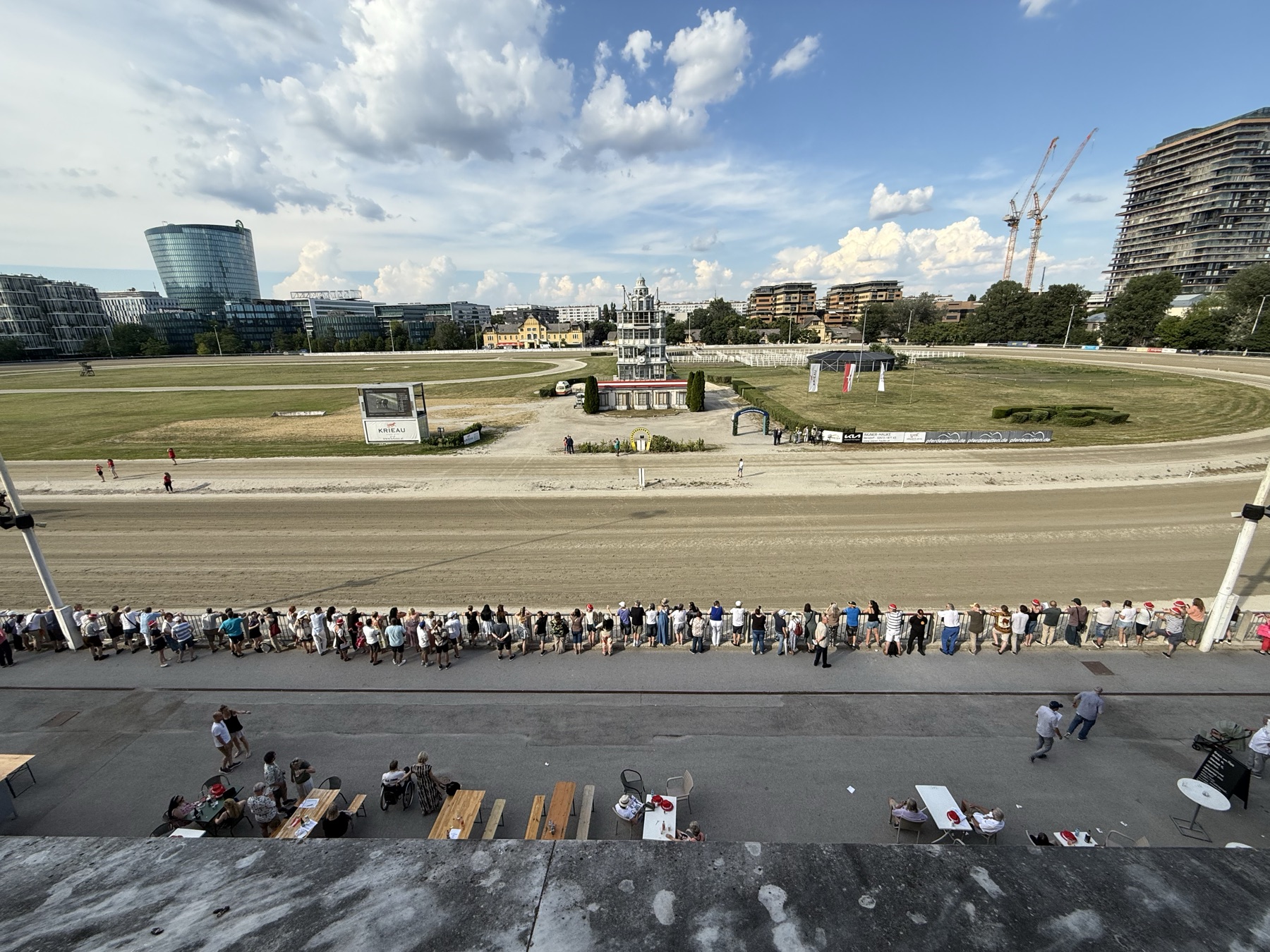
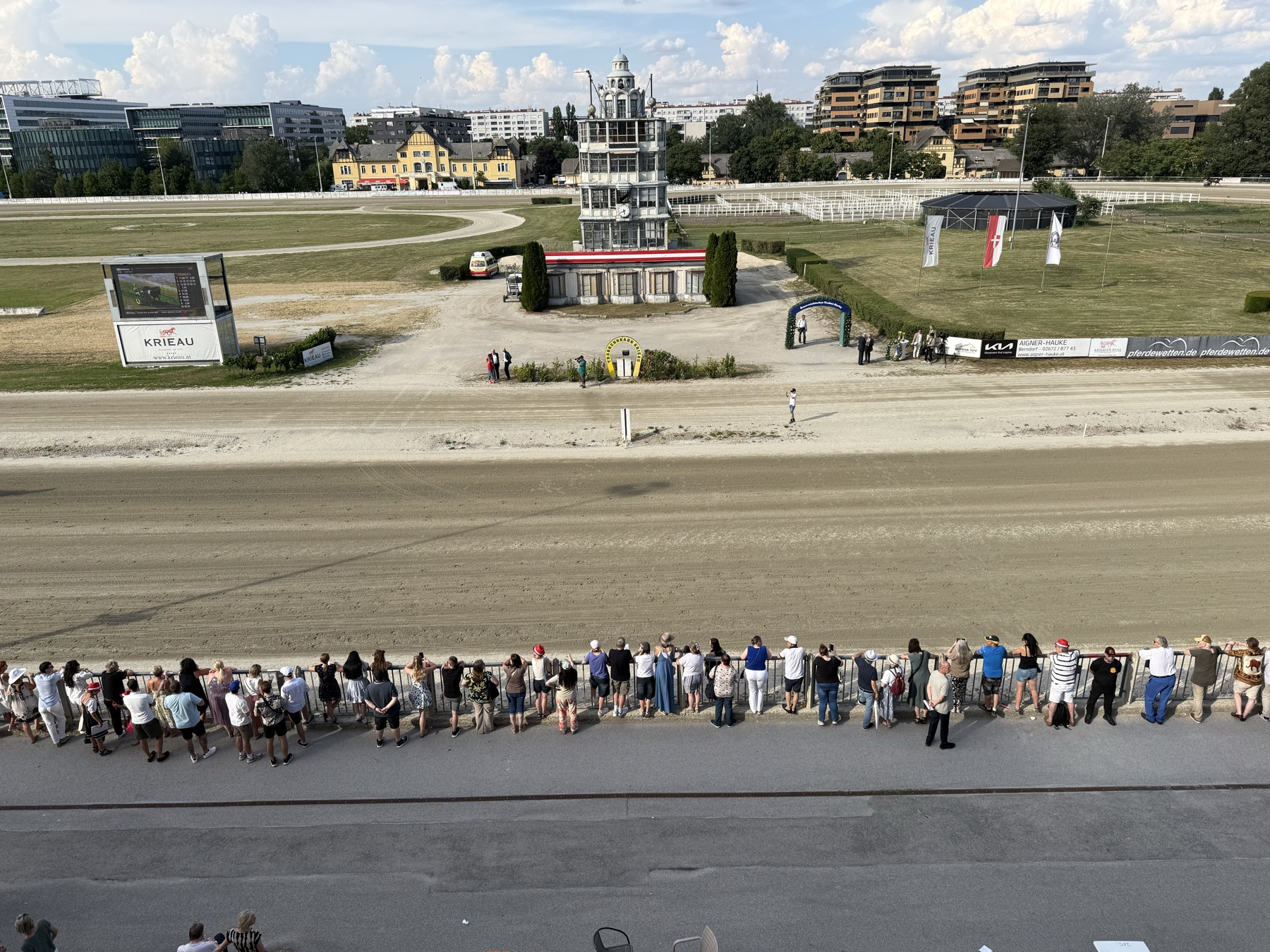
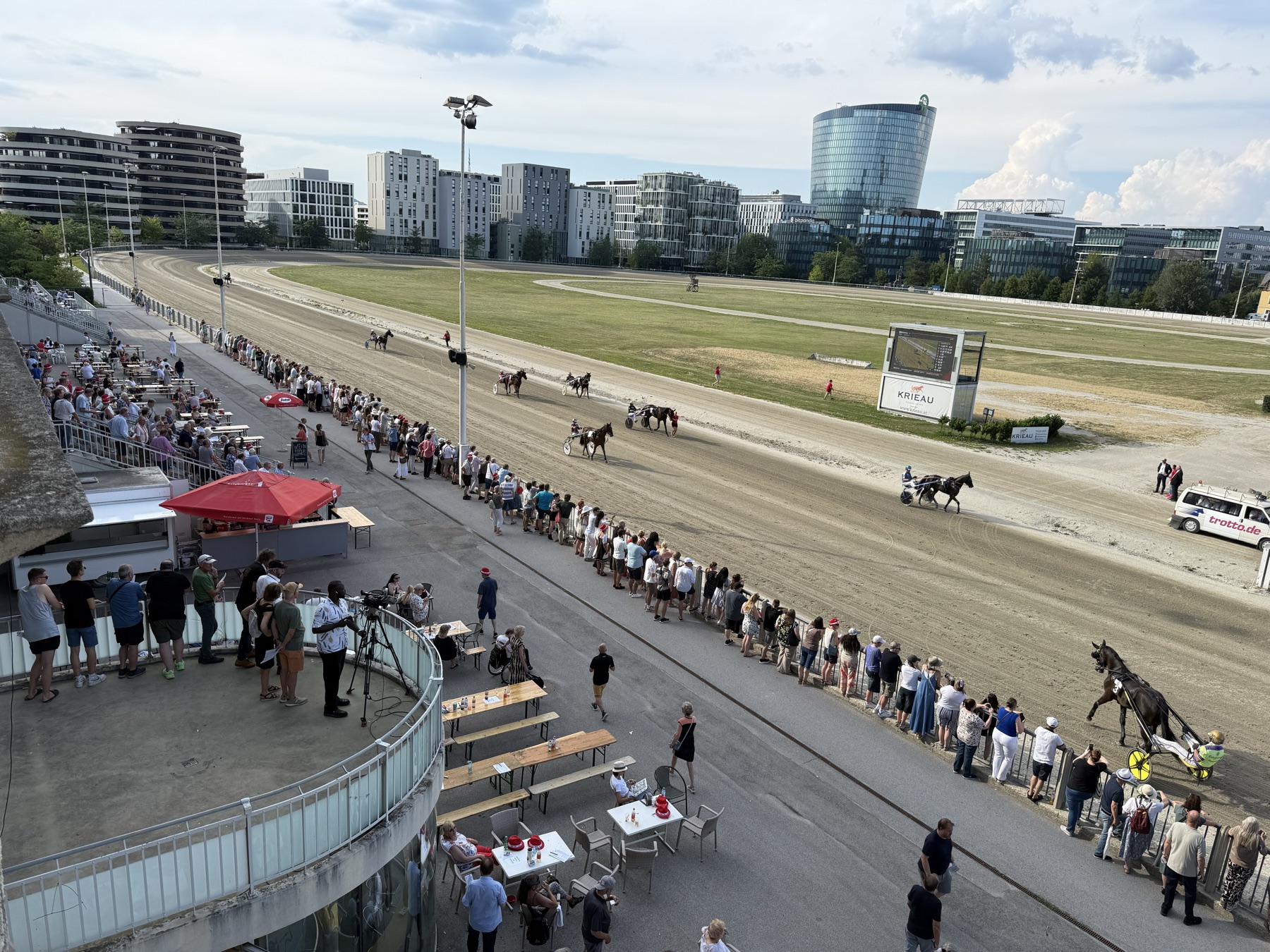
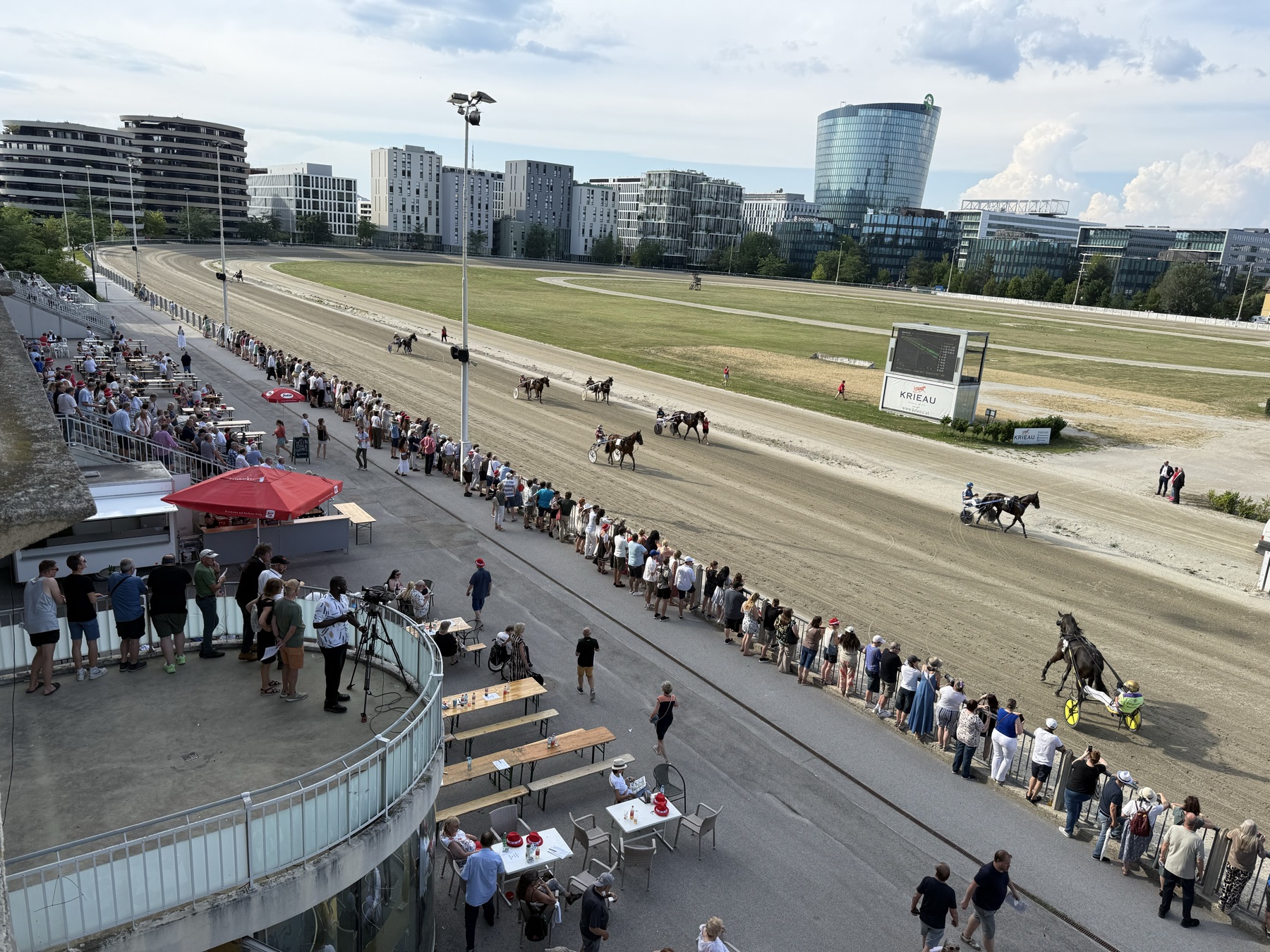
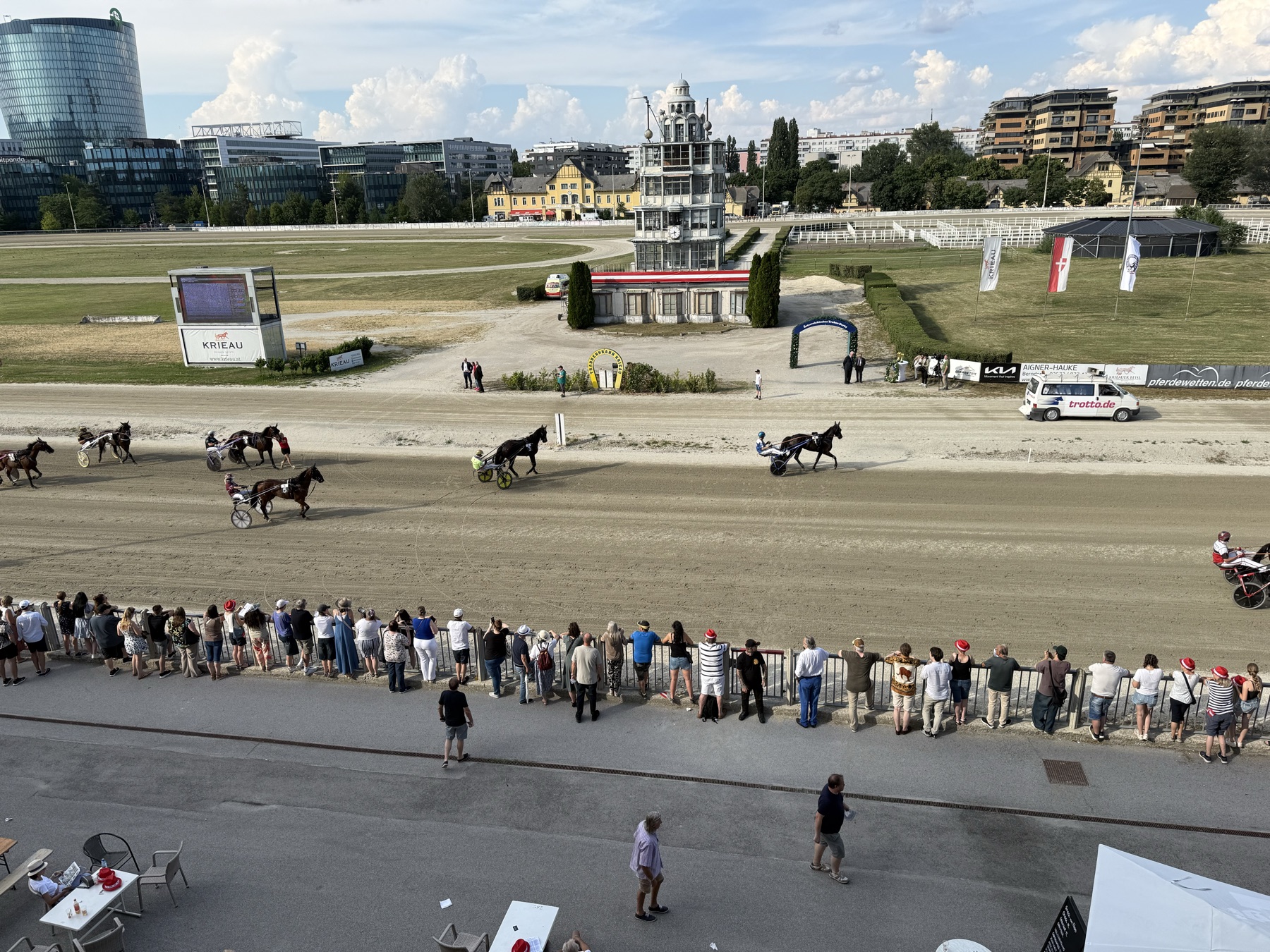
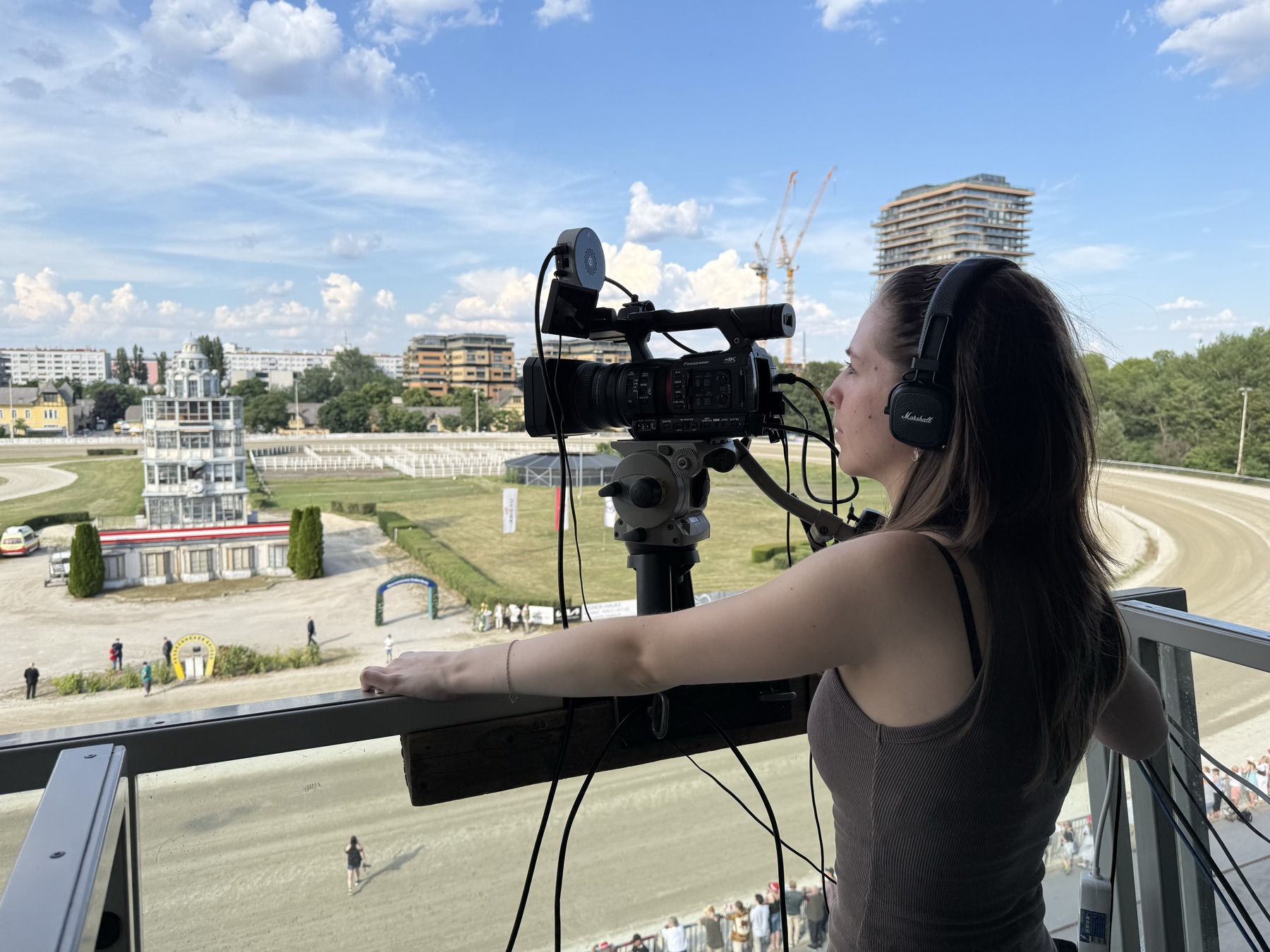
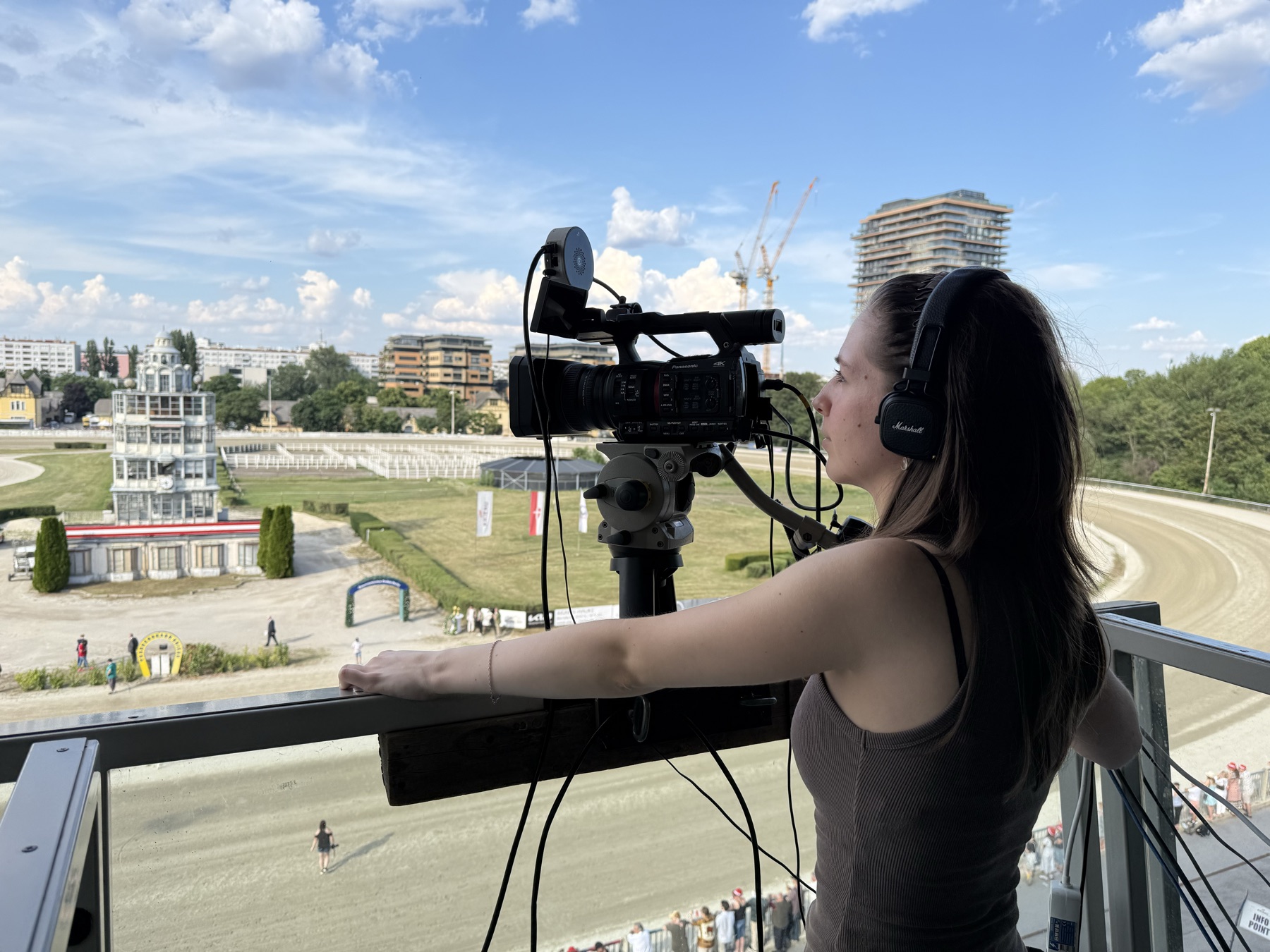
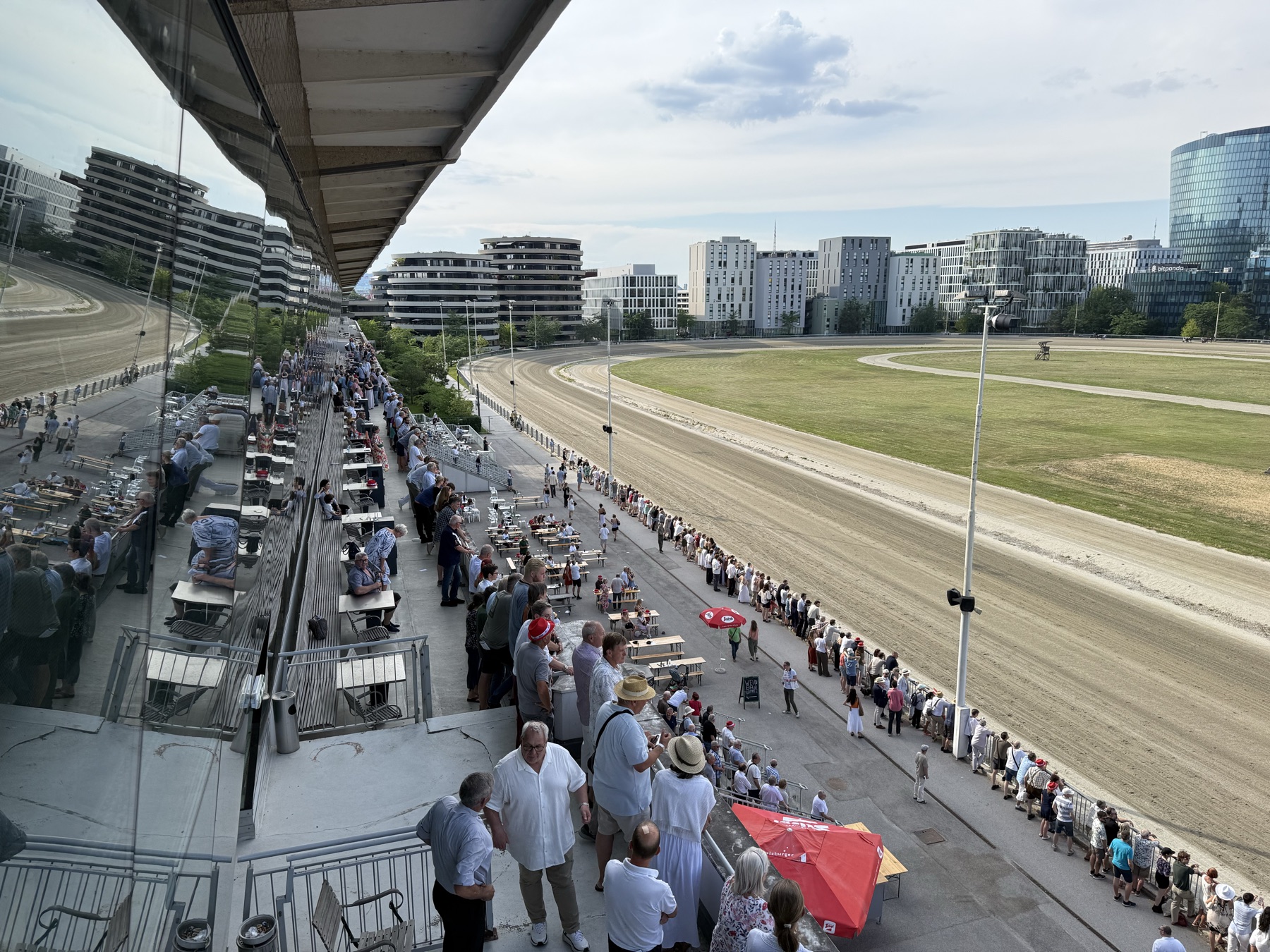
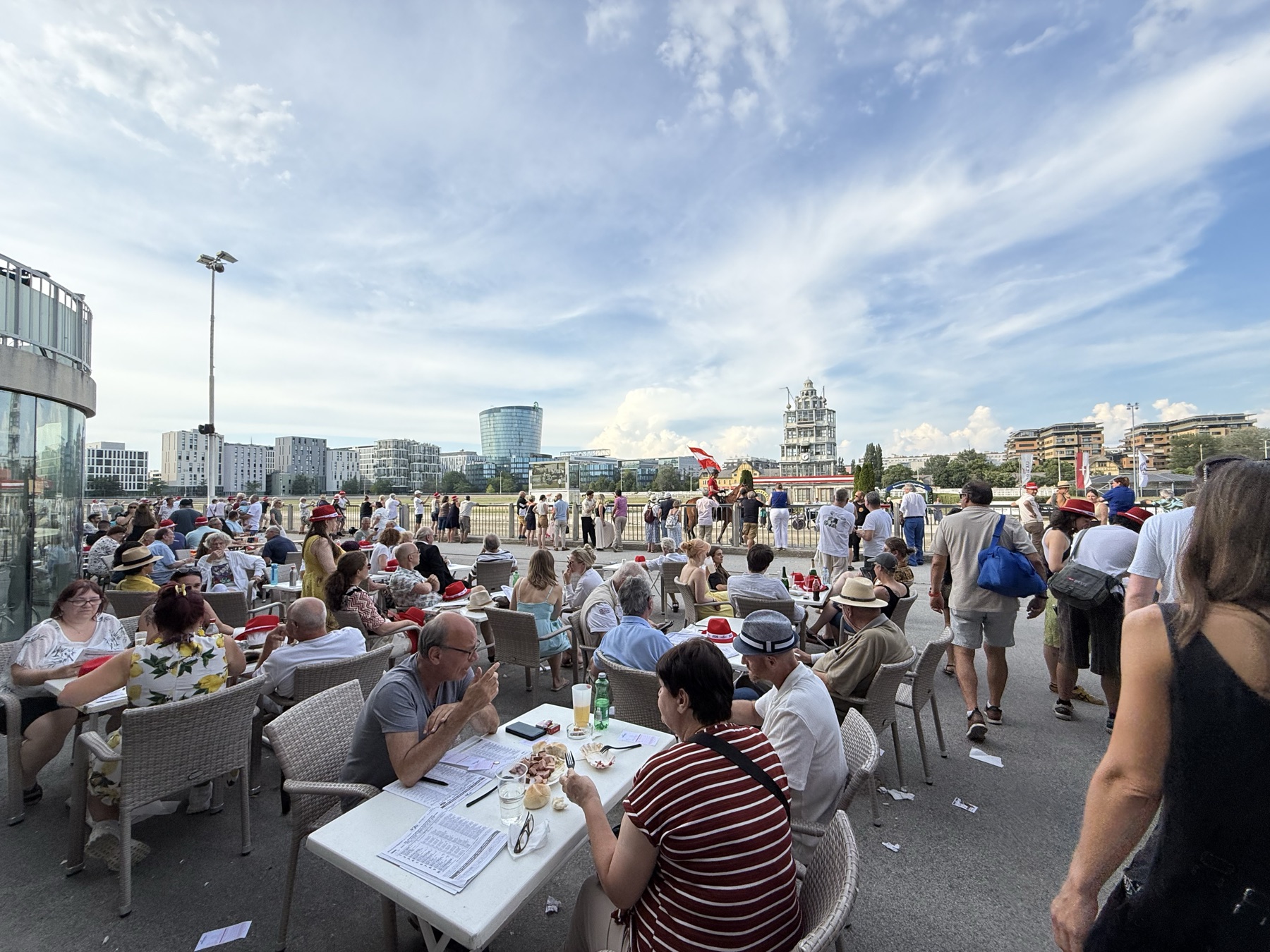
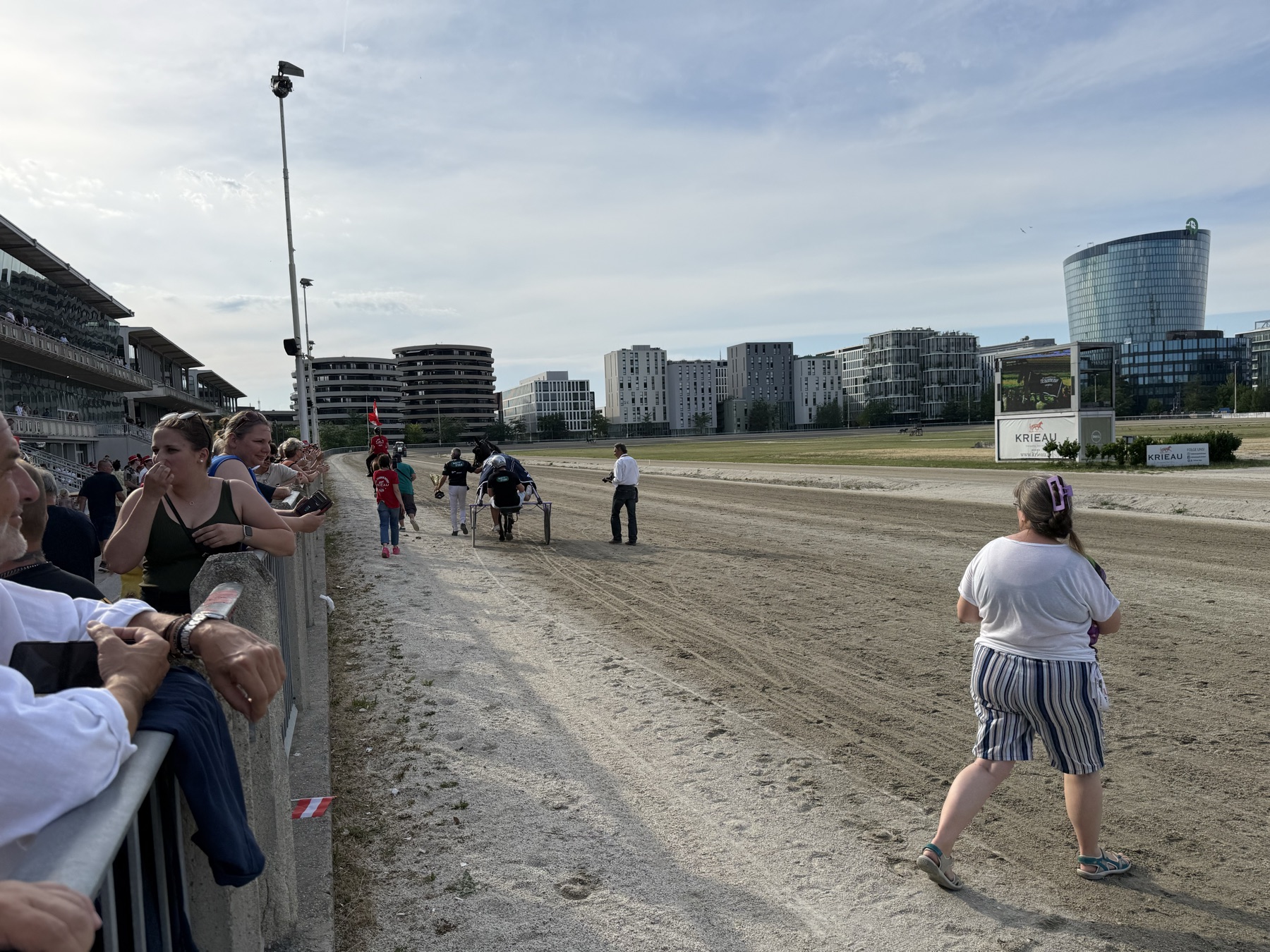
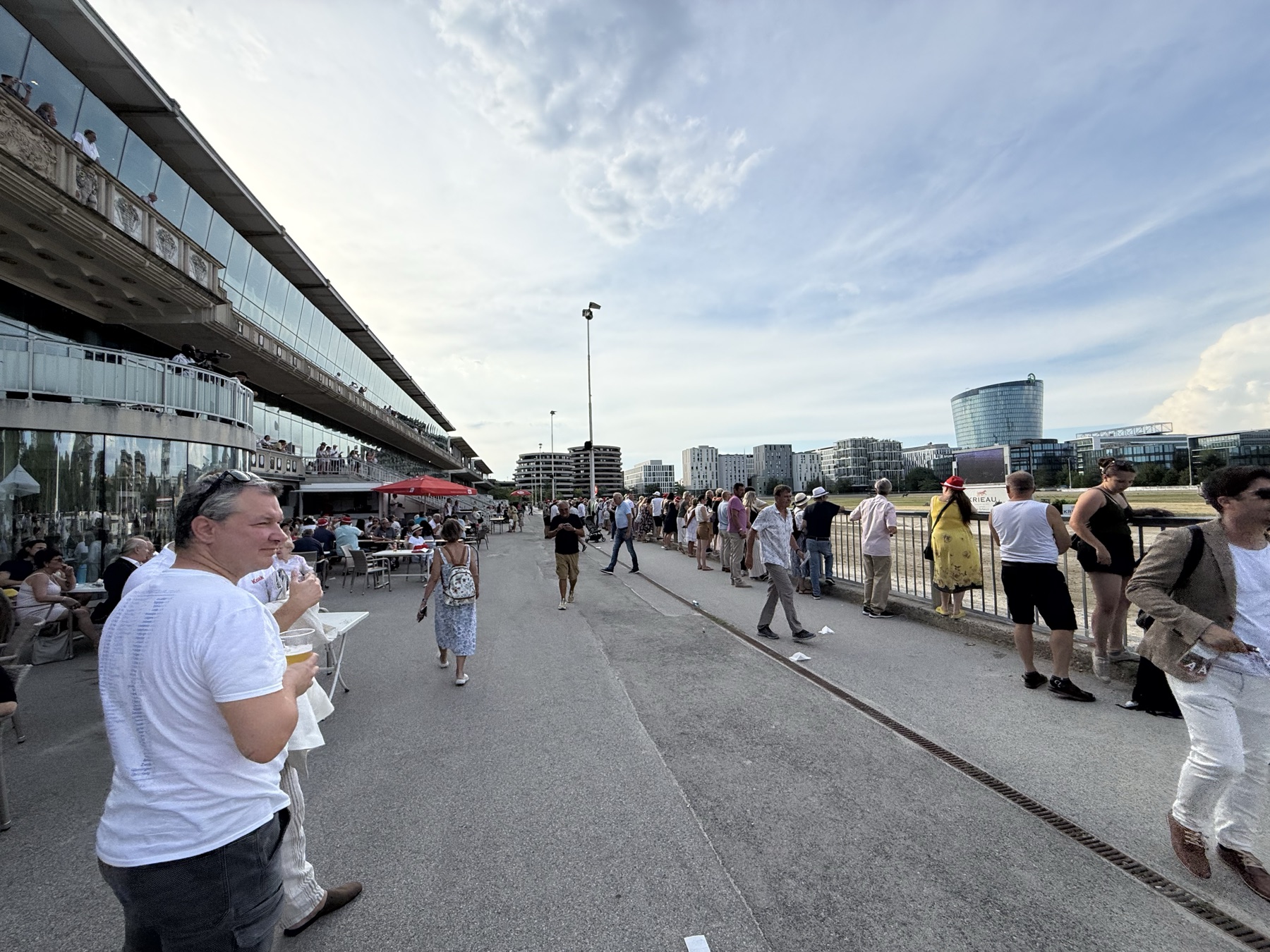
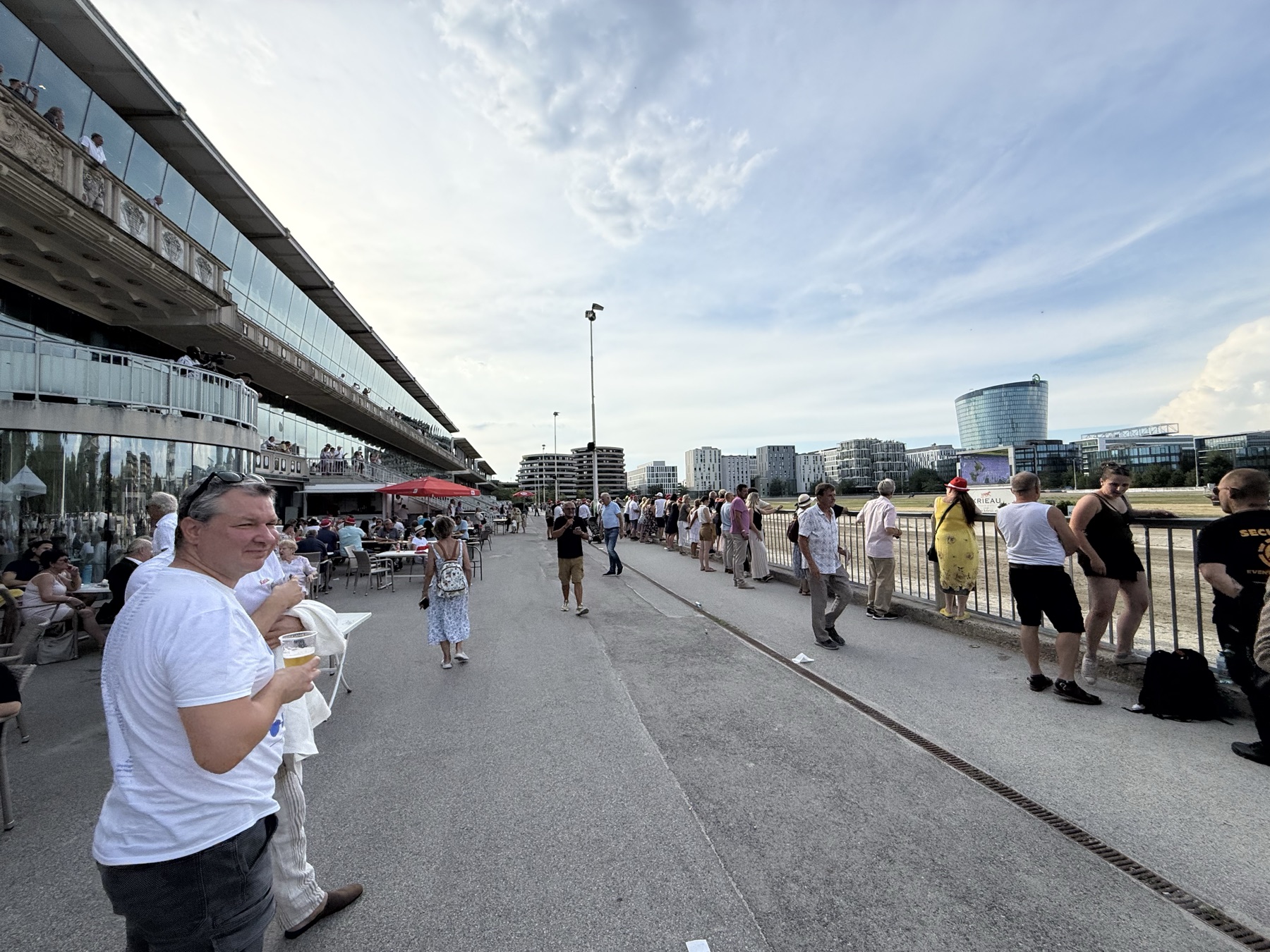
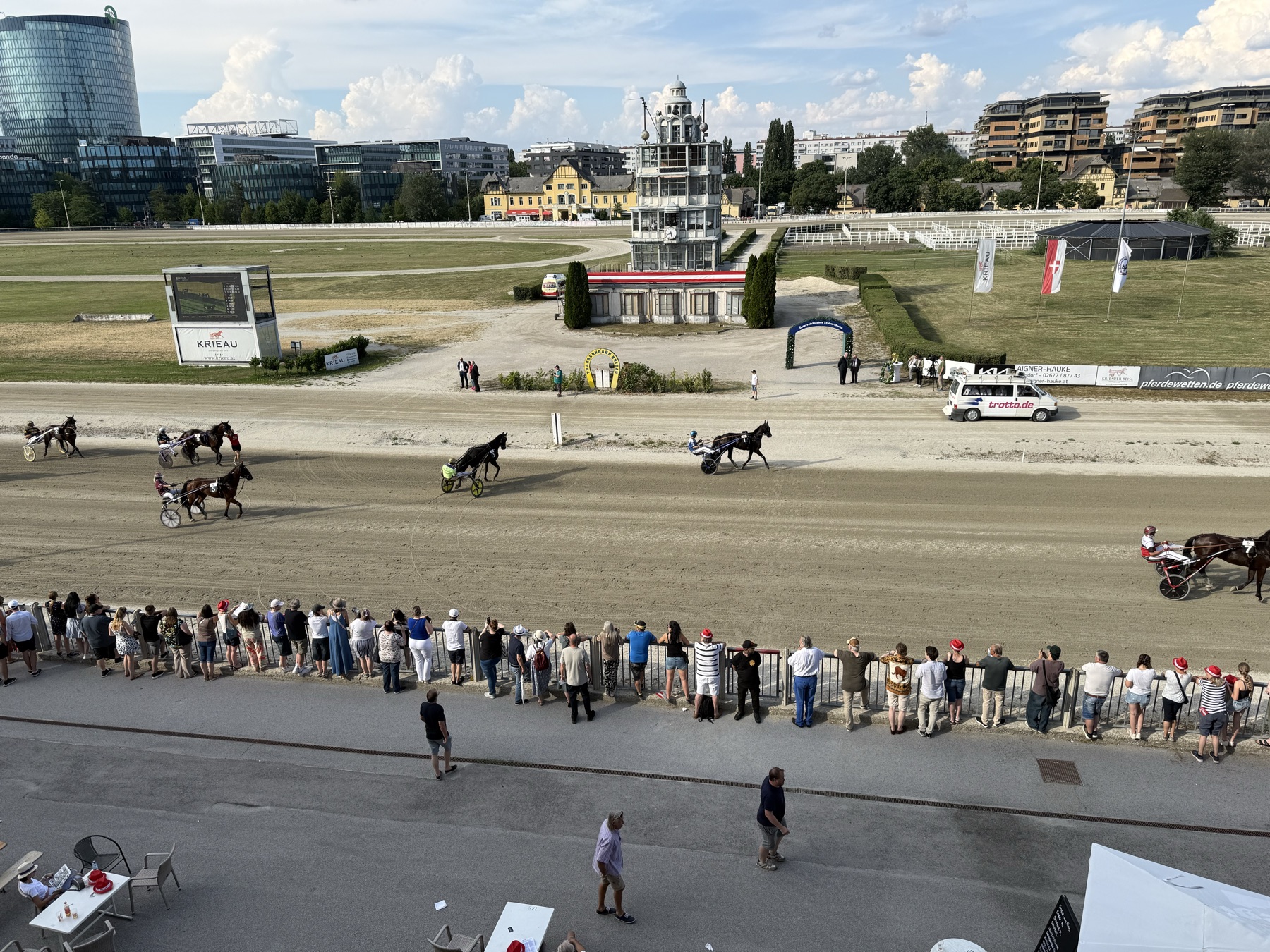
These photos show the live venue, crowd pressure, operator context, and trackside rhythm that shaped the product brief.


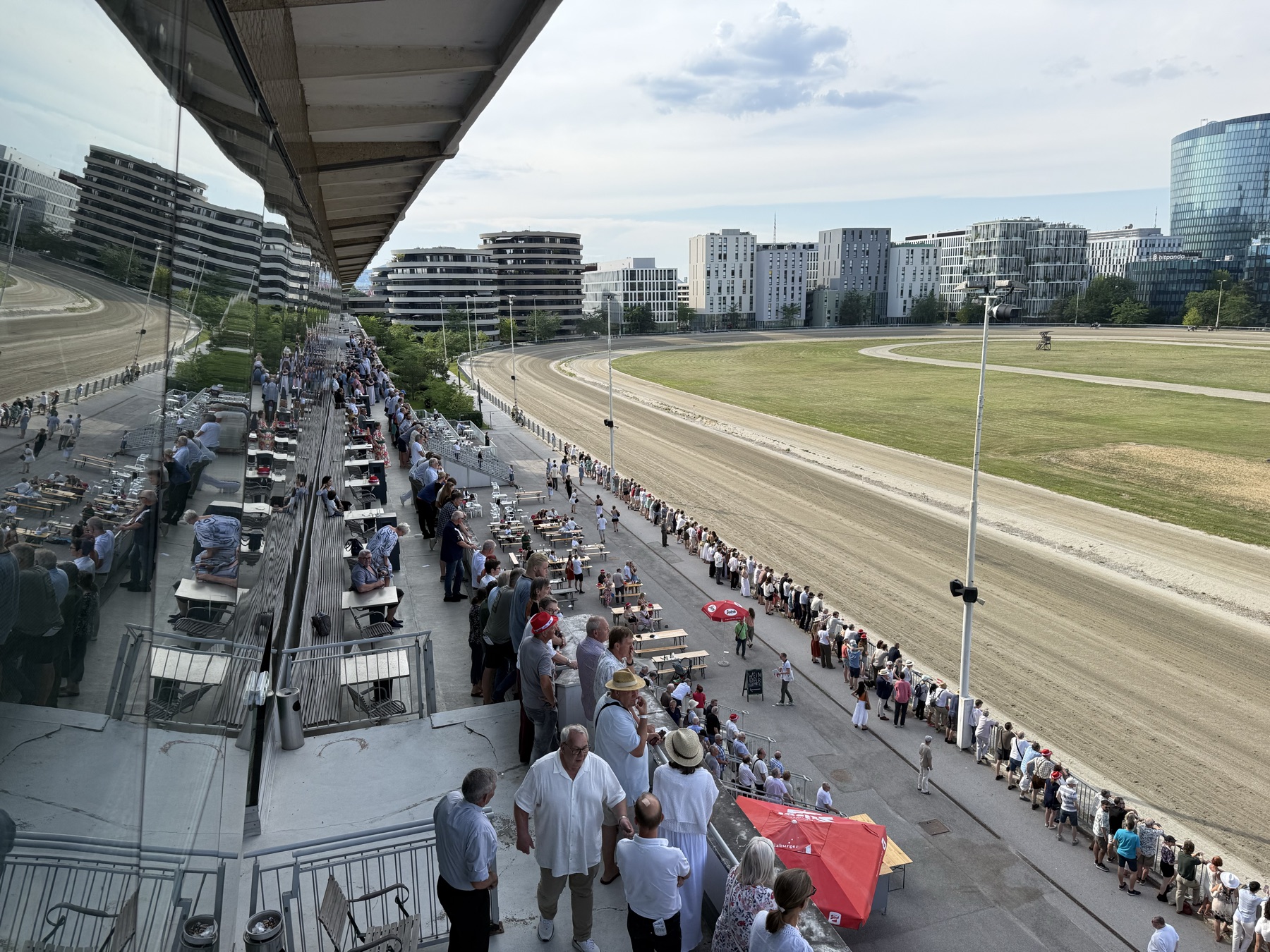
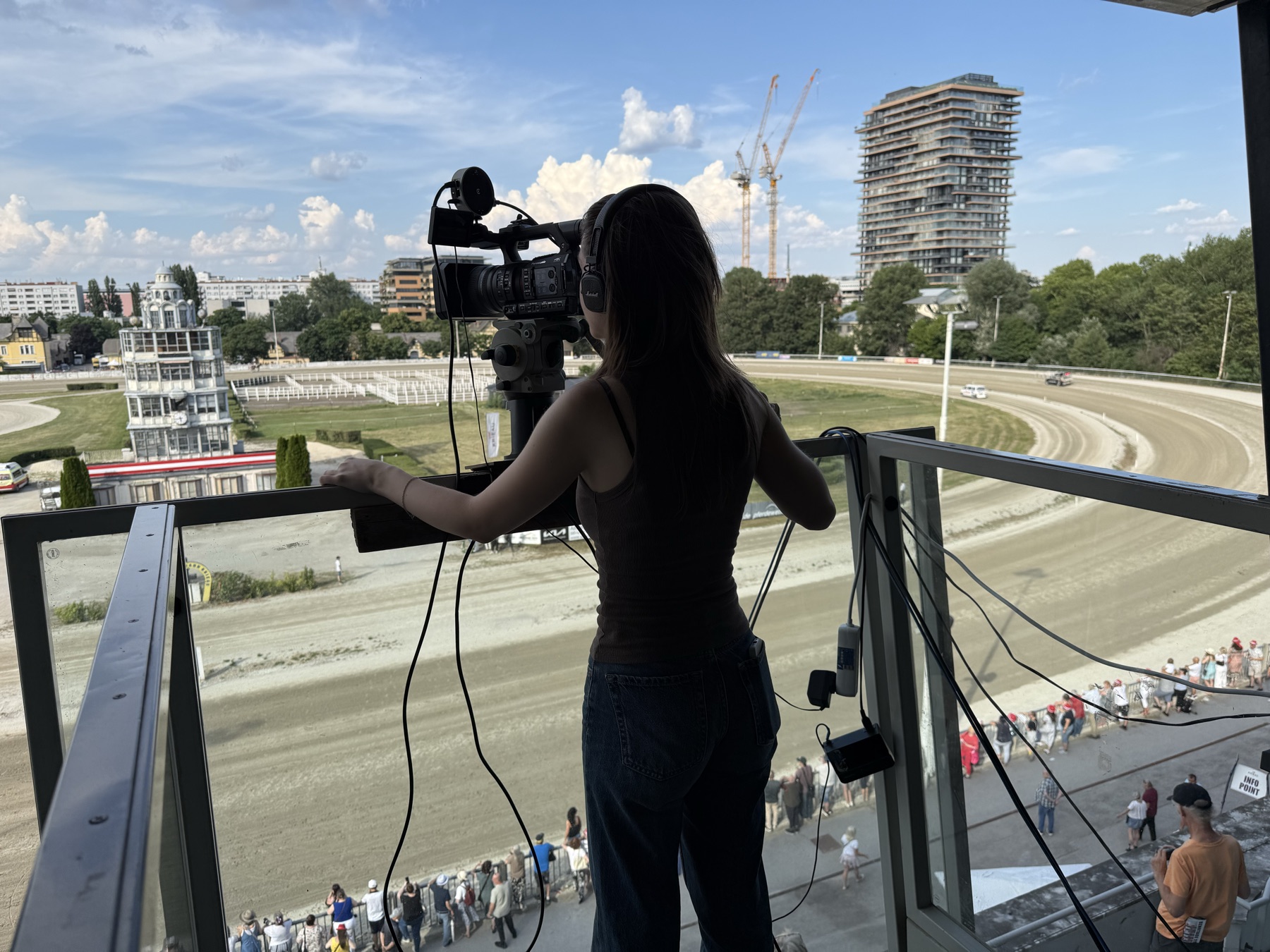
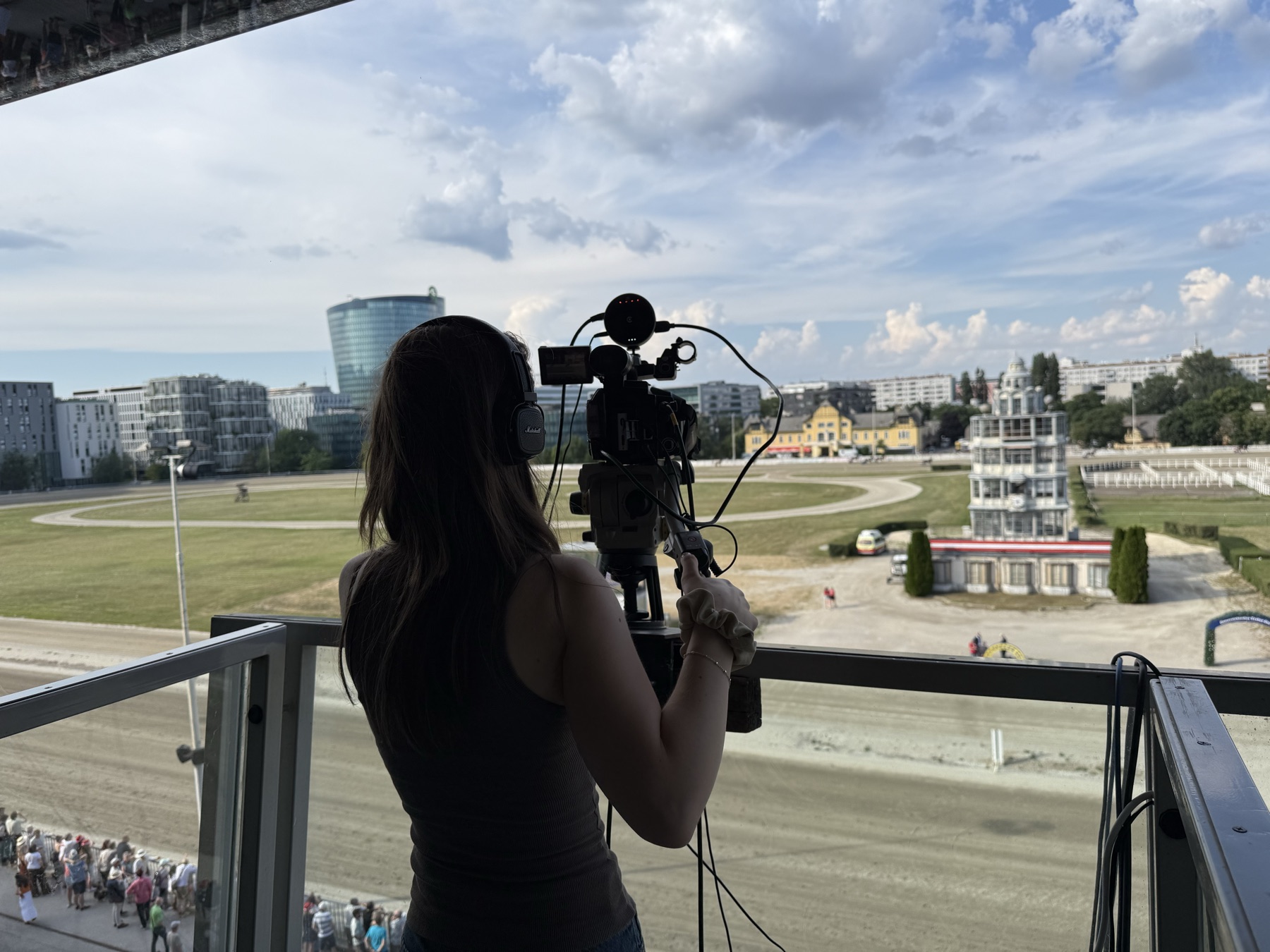
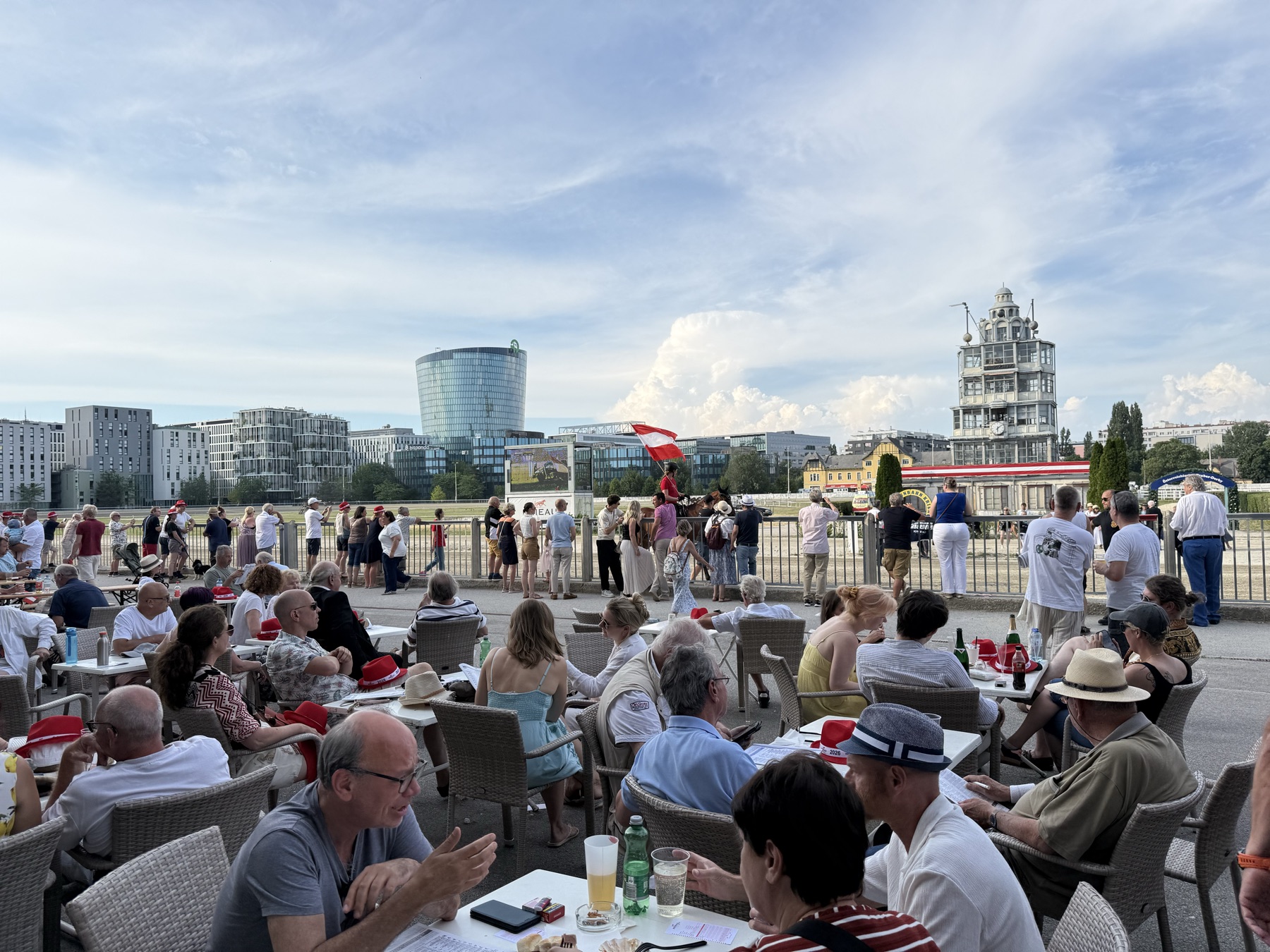

Less confusion under pressure
Lion Timing focuses on the race-day path around the image: setup, recording, operator-led review, approval, backup, export, and first-event support.