
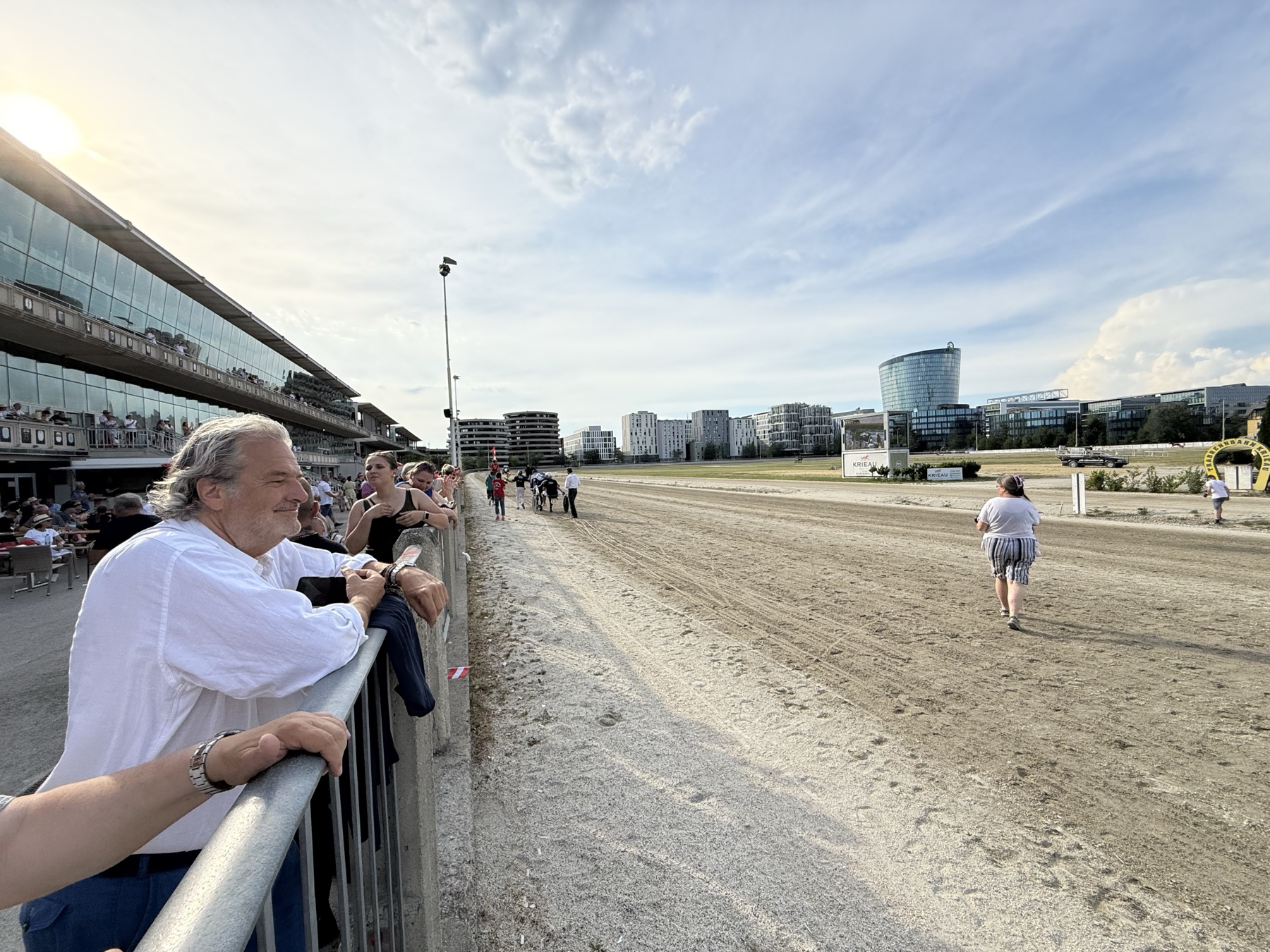
Venue fit
Sport type, finish-line position, available light, camera placement, and review location.
Support
Support starts before the first race. Review the venue, camera position, light, operator workflow, timing connections, backup plan, export needs, and support expectations early.
Sport type, finish-line position, available light, camera placement, and review location.
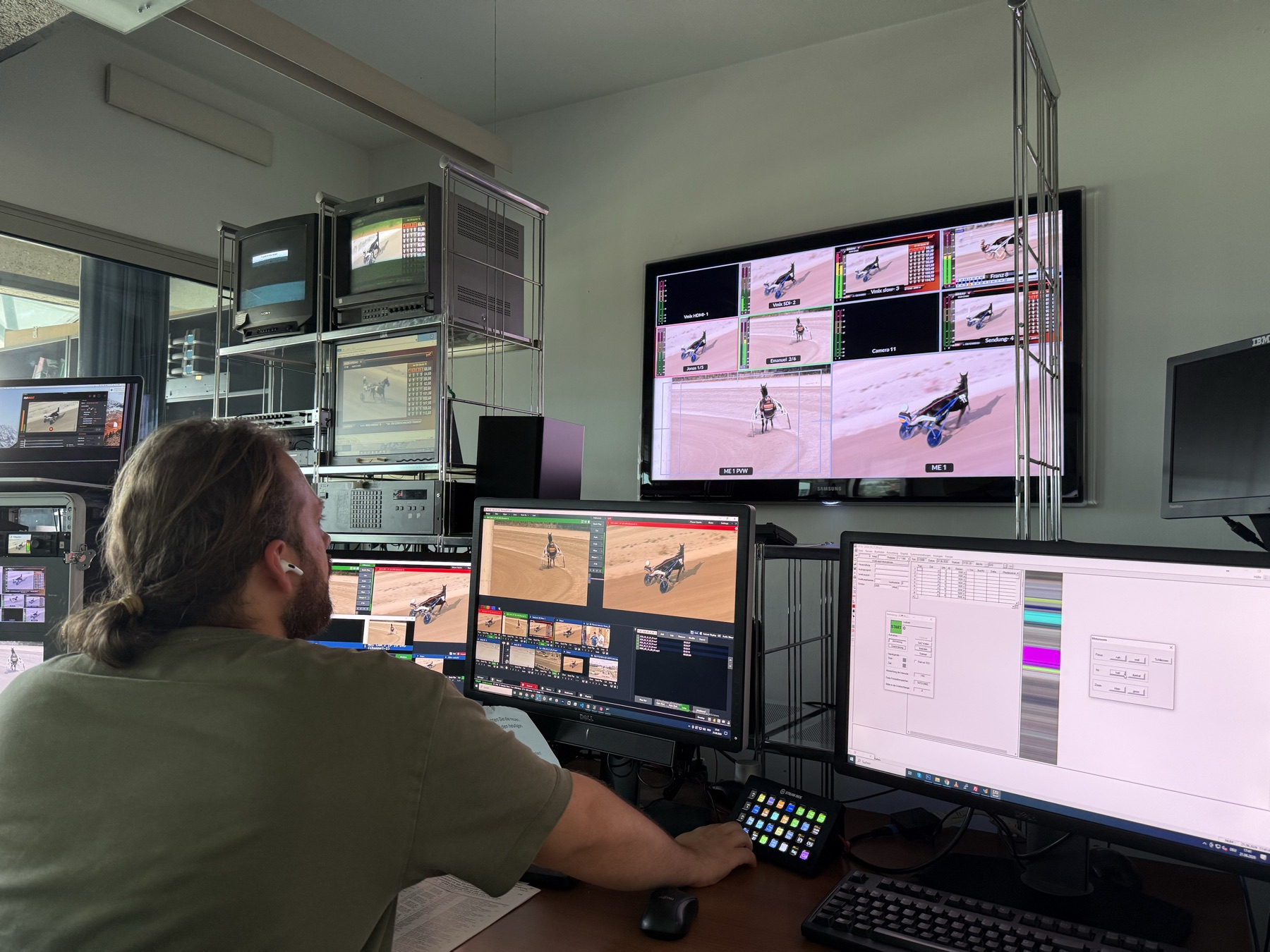
Who sets up, who captures, who reviews, who approves, and who needs visibility after the finish.
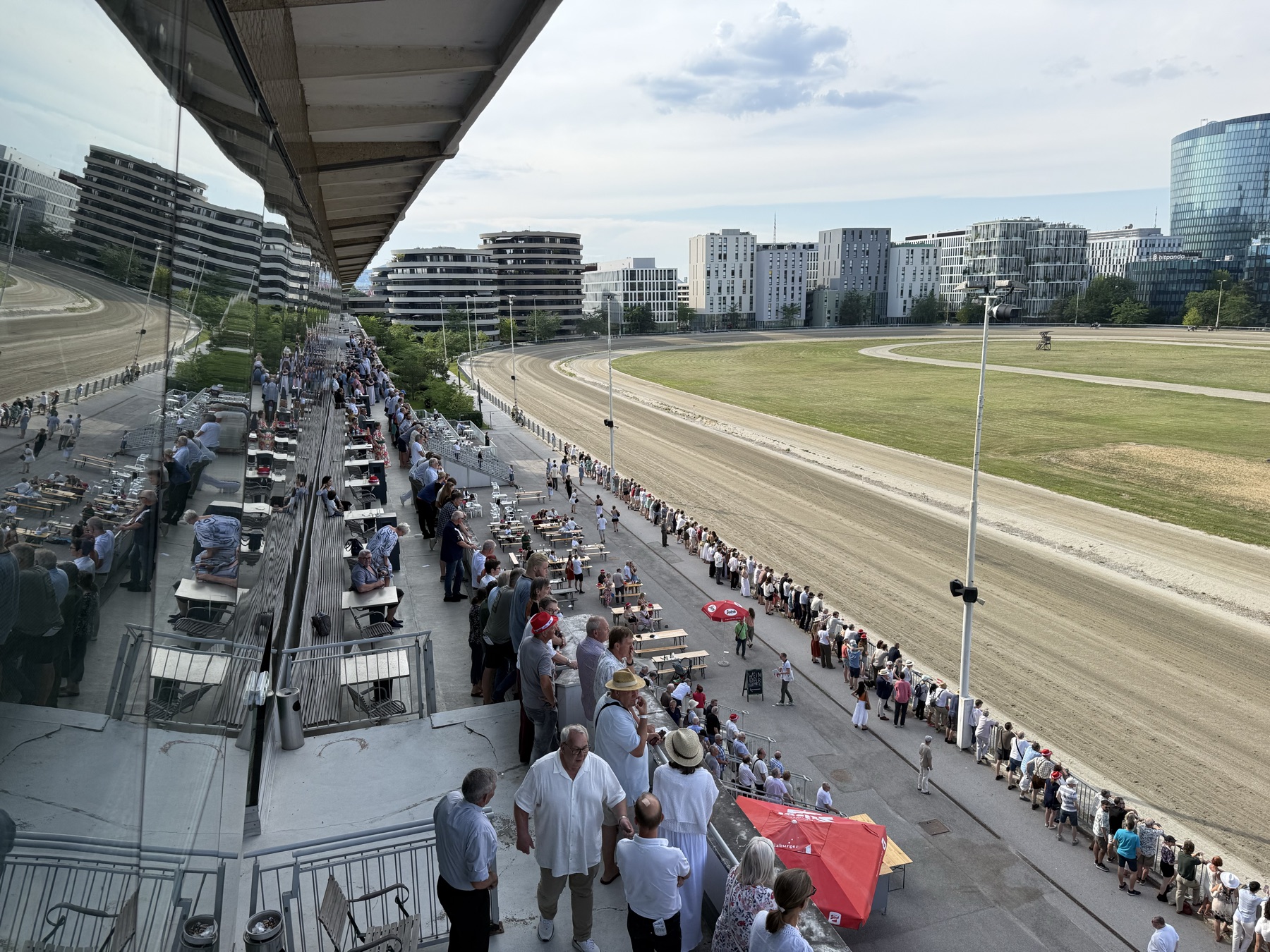
Onboarding, remote or on-site support needs, early-access maturity, and first-event risk review.
Readiness checklist
A practical support conversation should make the first event feel less unknown, not bury the team in documentation.
Questions
Lion Timing is currently in development. The website supports early-access conversations, demo calls, pilot discussions, introduction price interest, and newsletter signup.
The introduction price is EUR 5,990. The planned final price is EUR 7,990. Exact scope, tax, shipping, installation, and support details are confirmed directly.
Confirm the whole race-day package, not only the camera body: lens, software license, start and arrival controls, interface boxes, battery or UPS backup, PC/network requirements, shipping, onboarding, and support. A lower headline price can still become a different decision once the event-ready scope is clear.
Lion Timing is being developed for race organizers, professional timing teams, sports clubs, athletics tracks, horse tracks, federations, event operators, venues, training facilities, and race technology teams.
With GPS timing, the start device and camera can share satellite time. The start device timestamps the start event; the camera timestamps the finish image lines; and the result is calculated from the difference. The message can arrive after the event because it carries a timestamped measurement, not the accuracy itself.
Yes. The operator dashboard is the race-day control surface. Custom views for commentators, judges, public screens, or venue-specific displays can be built around the documented API. Lion Timing can assist with examples and onboarding. Custom views support the workflow but do not replace the operator review/approval process.
Honestly, like every photo finish system, it depends on light. Thousands of lines per second means each line has very little time to collect light. The practical levers are to open the lens, scan only as fast as the sport requires, and raise gain last because gain adds noise as well as brightness. RAW is a safety layer that preserves more of what the sensor captured, but if the venue is the real problem, lighting the finish line is often the correct fix.
The zero test is an established on-site verification method. The start gun is fired on the finish line: its trigger starts the clock at 0.000, and its flash appears in the photo finish image at that same point. The first flame should read 0.000. This checks the trigger path, clock start, line timestamps, and image pipeline together.
No. The operator workflow is designed for ready race-day review and export. RAW-first recording is the safety layer underneath: useful when light was wrong, setup was rushed, or a result is questioned.
RAW recording keeps the sensor’s source measurement before JPEG export. That matters because a too-dark image, changed light, or disputed edge can be reviewed from source data instead of only from a processed picture.
The useful buying question is what is built around the sensor: light handling at racing line rates, timing discipline, RAW-first evidence, backup recording, review workflow, and support. Lion Timing is deliberately sensor-agnostic and chooses the best suitable part for the job.
The planned direction is operator-controlled AI assistance. AI may assist the workflow, while the operator remains responsible for the final decision.
Next step
Bring photos of your finish line, your current timing setup, and the event date if you already know it.