Camera & timing
- Built-in TCXO timing for the planned start-gun workflow
- Motion detection
- Up to 5,000 lines per second
- 2064-pixel line resolution
- Optional GPS synchronization
System map
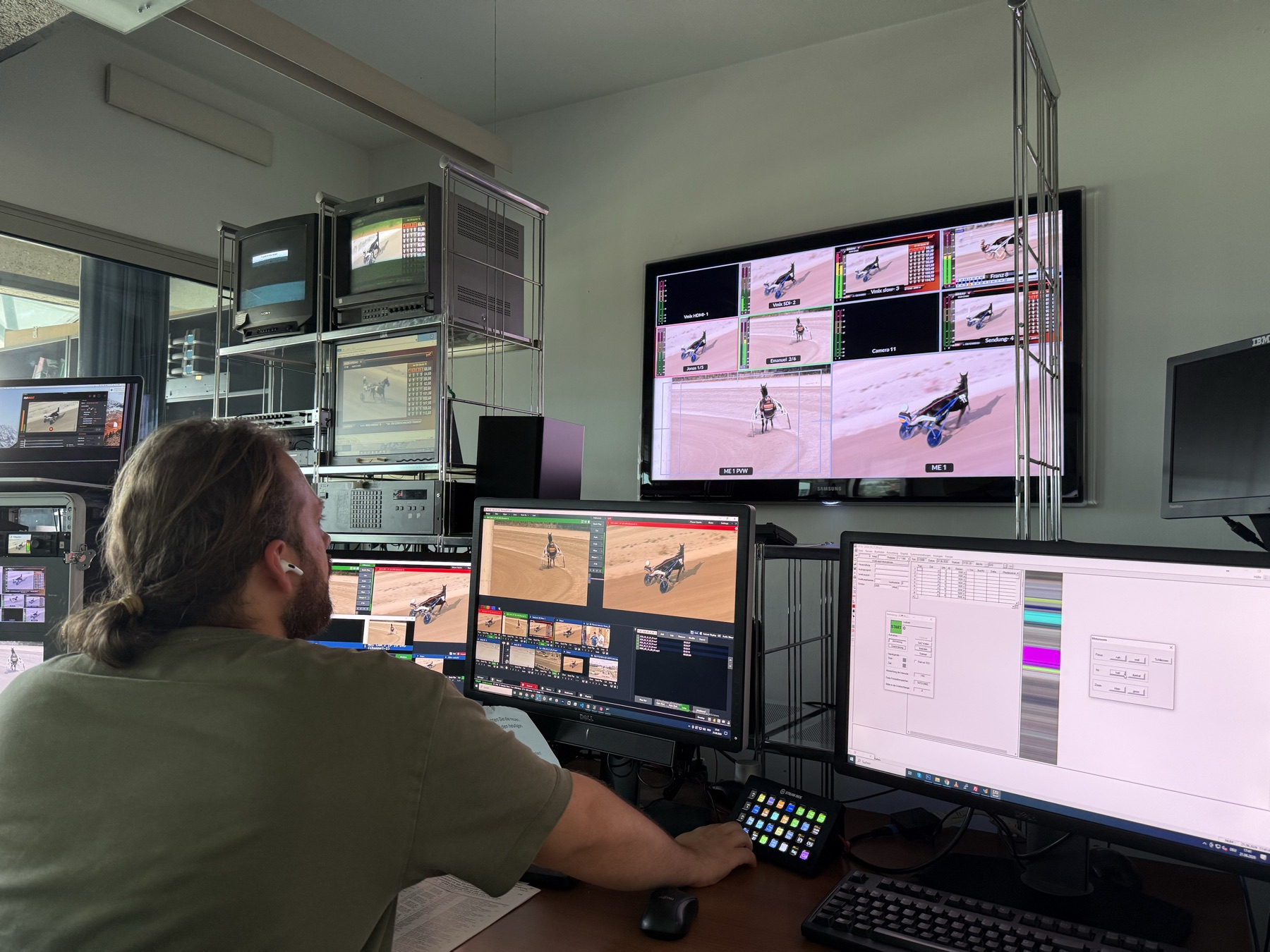
Lion Timing is not built as only another camera. It connects finish-line capture, operator review, approval, backup, export, and first-event support into one practical race-day system.
System anatomy
The system should make the evidence clearer, make the decision path easier to explain, and give the team recovery options when the day is imperfect.
Technical fit
The first release is shaped around camera-side timing, raw capture, open control, and practical event connections. Listed capabilities are planned direction until verified.
The camera’s TCXO gives the system a stable local timing base, while optional GPS can anchor timing to satellite time. It is steady on the ground, anchored to the sky.
When start and finish share that reference, the start device timestamps the start event and the camera timestamps the finish image lines. The result is calculated from the difference, so transport affects when the system learns the start, not the measured moment.
The operator dashboard ships ready, but commentator views, judge screens, and public displays differ by venue. Lion Timing exposes system state through a documented API so custom views can show the images, results, clock/status, and race-day information each venue needs.
Customers can start from working examples and Lion Timing assists with onboarding. If they prefer it done for them, custom display views can be quoted separately.
Line rate is not a quality score; it is matched to how fast objects cross the finish line. At 5,000 lines/s, racing speeds are sliced very finely while keeping a practical balance with light.
Higher rates shorten each line’s exposure time, so they cost light. Moderate oversampling can help when conditions allow, especially with aspect-ratio correction, but beyond useful headroom the better questions are image quality, RAW/source evidence, light handling, and workflow.
Read the Academy explainerHigher line rates shorten exposure time and cost light. Good setup uses matched scan rate, lens setup, RAW-first evidence, and gain carefully.
RAW gives more room for recovery, but no camera creates photons that never reached the sensor. Lion Timing onboarding should discuss finish-line light honestly before the first event.
Lion Timing is planned to support a test-start workflow for on-site timing verification. A system that sells itself as evidence should be ready to prove timing alignment.
Lion Timing records RAW-first/source data, then generates JPEG exports for sharing. The source file stays available for dark-image recovery, honest color and exposure correction, and protested-result review.
JPEG is useful as an export, but it is not the source evidence. When the finish is questioned, the better question is what file was saved before review and export.
Learn about RAW evidenceThe sensor is one part of the system, not the whole product. Lion Timing is designed around choosing the right sensor for real race-day light, timing, RAW evidence, backup, and workflow.
The sensor is a component choice. The evidence workflow is the product. When sensor technology improves, the platform can move with it.
Evidence quality
Image quality belongs inside the product conversation because the camera, review controls, export path, and support workflow all have to serve the same decision.
 Open full view
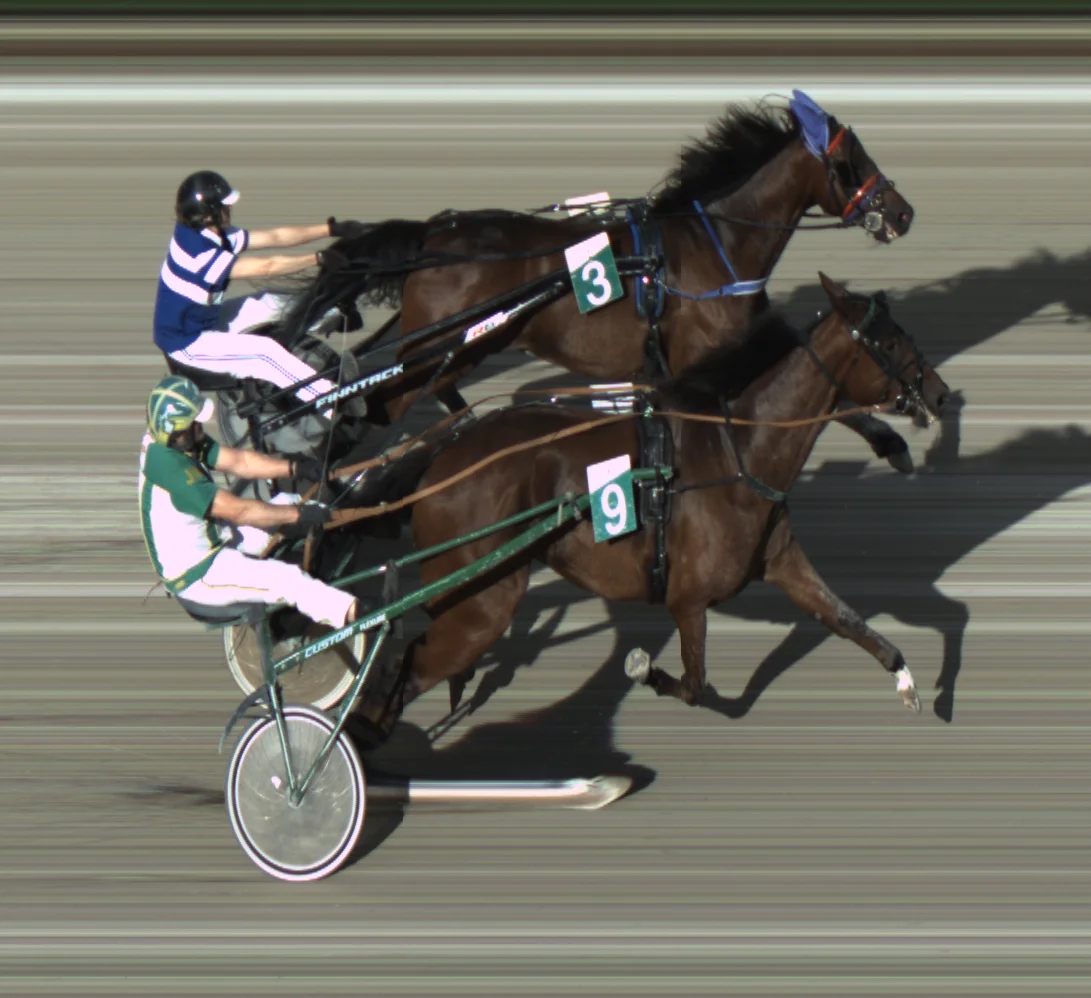
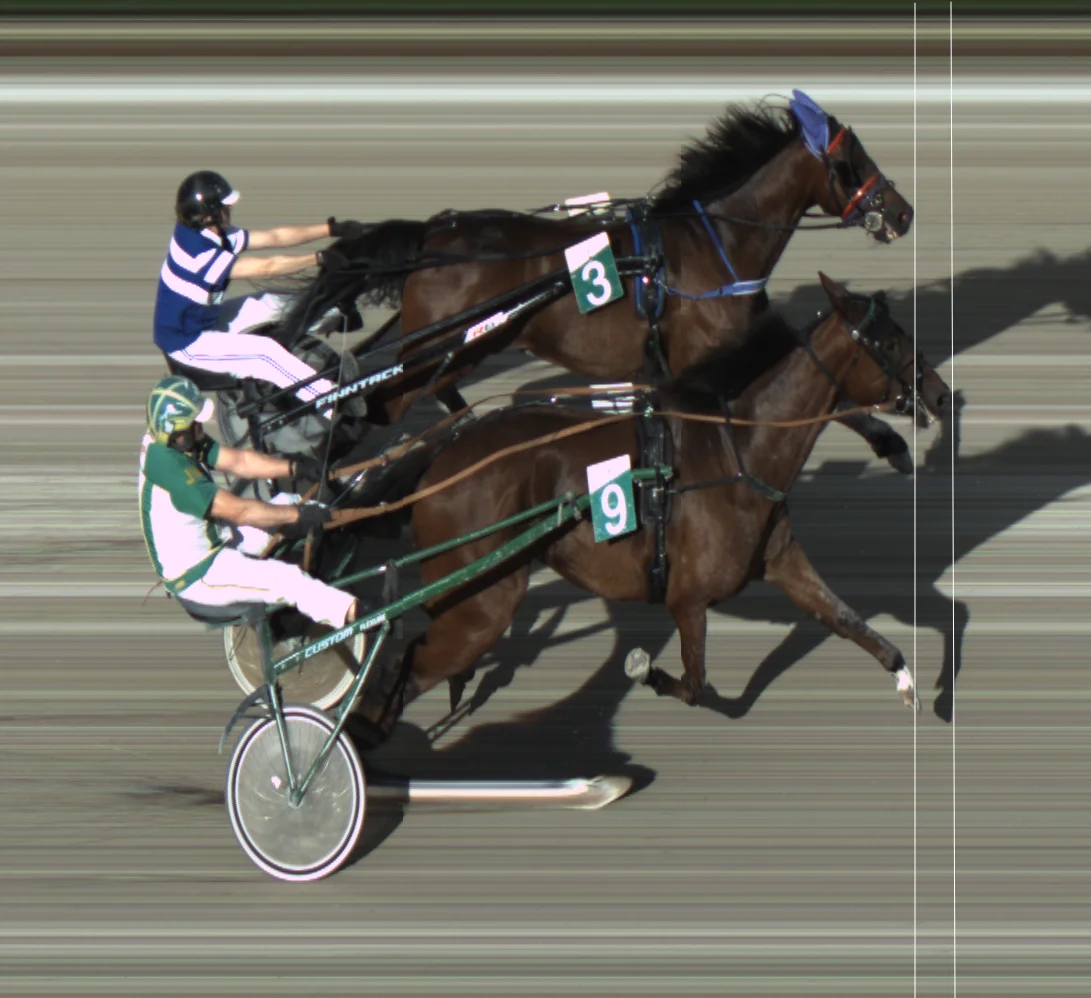
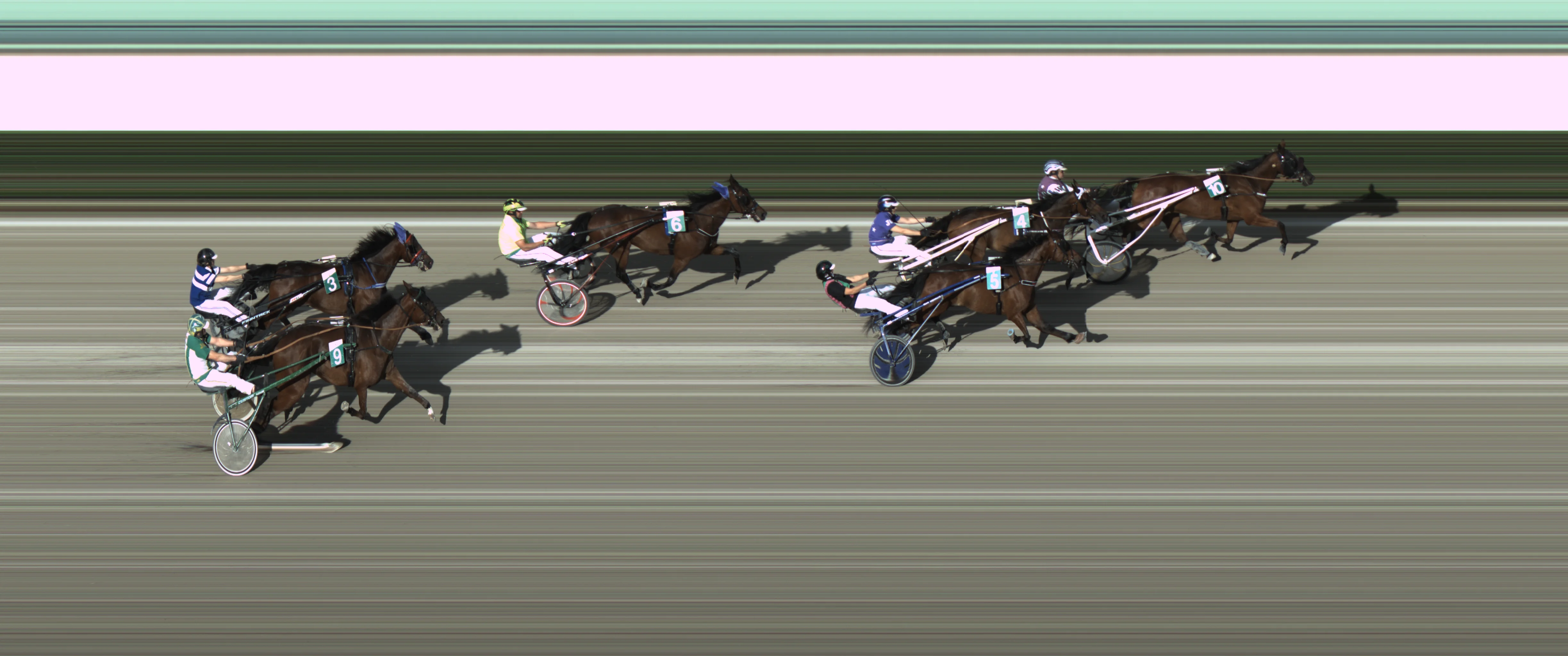
Open the sample, zoom into the finish-line detail, inspect the separation at the line, and download the larger files if you want to judge the source material more closely.
A normal photo freezes a scene near the finish. A photo finish records the finish line continuously, then lays those slices side by side. That is why the image can show who crossed the line first, even when the finish looks strange.
Learn how photo finish worksA bright export is not the same as source evidence. Ask what file was saved before review/export.
Learn about RAW evidenceWhat to inspect
Use the sample to check the evidence path from source image to review and export.
Look for separation, line clarity, and whether the image makes the deciding moment easier to explain.
RAW-first capture direction gives the operator more room to adjust review and export when the setup or light is imperfect.
The evidence that leaves the operator station should still be understandable to officials, teams, and archives.
Clearer evidence helps turn a tense close finish into a result that can be reviewed and discussed calmly.
Decided by evidence
When the margin is almost invisible, the system behind the image matters. Lion Timing brings camera precision and review software together, so race teams can see the finish line clearly, compare the closest moments, and decide with confidence.